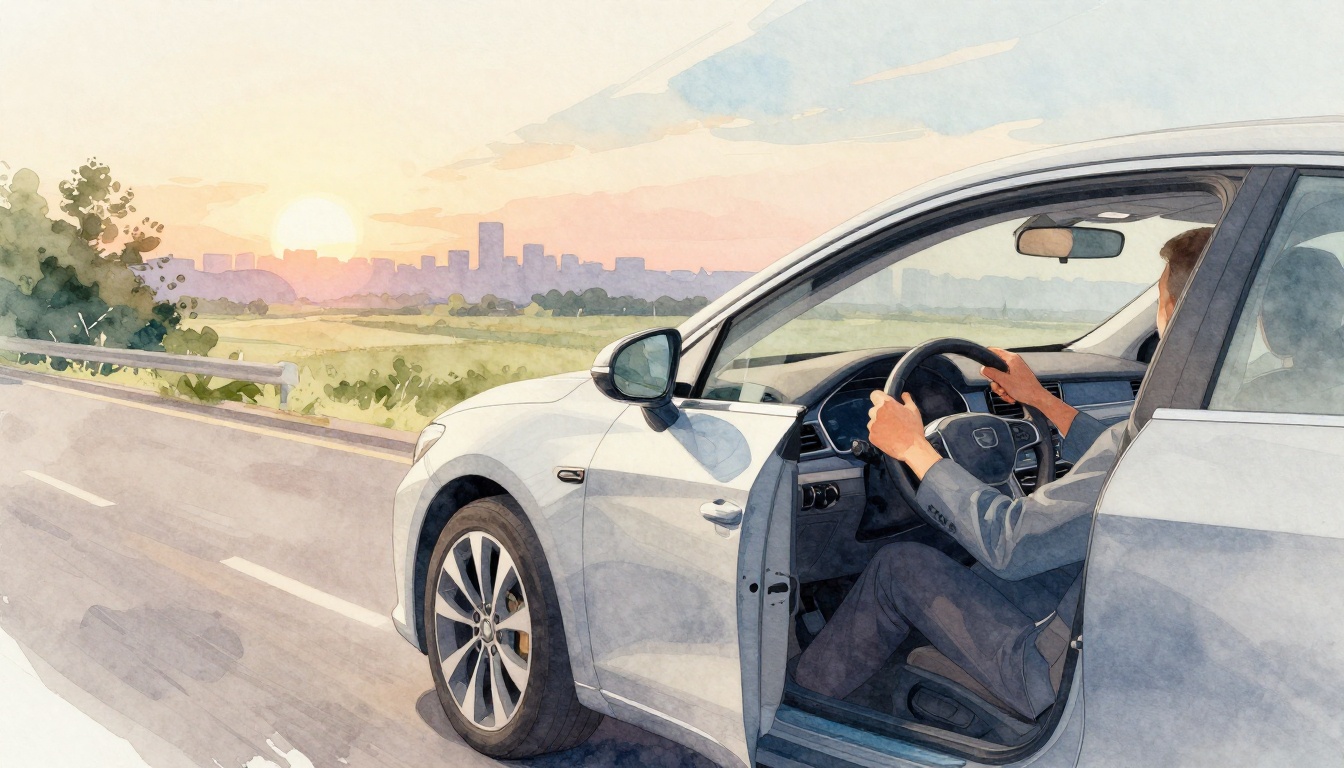
Every year, US roads see thousands of preventable deaths. In 2023 alone, 40,901 people lost their lives in traffic crashes, according to NHTSA data. Speeding and alcohol-impaired driving caused about 60% of them. New drivers face even higher risks because they often miss hazards or react too late.
Picture this: my friend Sarah gripped the wheel white-knuckled on her first solo drive. Cars honked, lights blurred, and she froze at a turn. That fear is common, but it fades with the right steps. You can turn it into calm control.
This guide shows you how. First, build basics through training and car knowledge. Next, form safe daily habits. Then, master defensive skills for surprises. After that, dodge common traps. Finally, tips to lock it in. Follow these, and you’ll drive responsibly. You’ll gain confidence too. Safer roads start with you.
Build a Strong Foundation with Training and Vehicle Know-How
Start here to avoid rookie mistakes. New drivers crash more from poor scanning or tailgating. Proper training cuts those risks. It teaches turns, braking, and hazard spotting in real time.
Professional courses beat learning from a parent. They include classroom lessons plus on-road practice. You learn smooth acceleration and quick stops. Instructors spot your weak spots early. This builds muscle memory fast.
For example, practice turns in empty lots. Feel the car’s weight shift. Brake firmly without locking wheels. These drills make you ready for traffic.
One study from NHTSA shows risk awareness training helps teen drivers spot dangers better. Check NHTSA’s evaluation of novice teen driver training for proof.
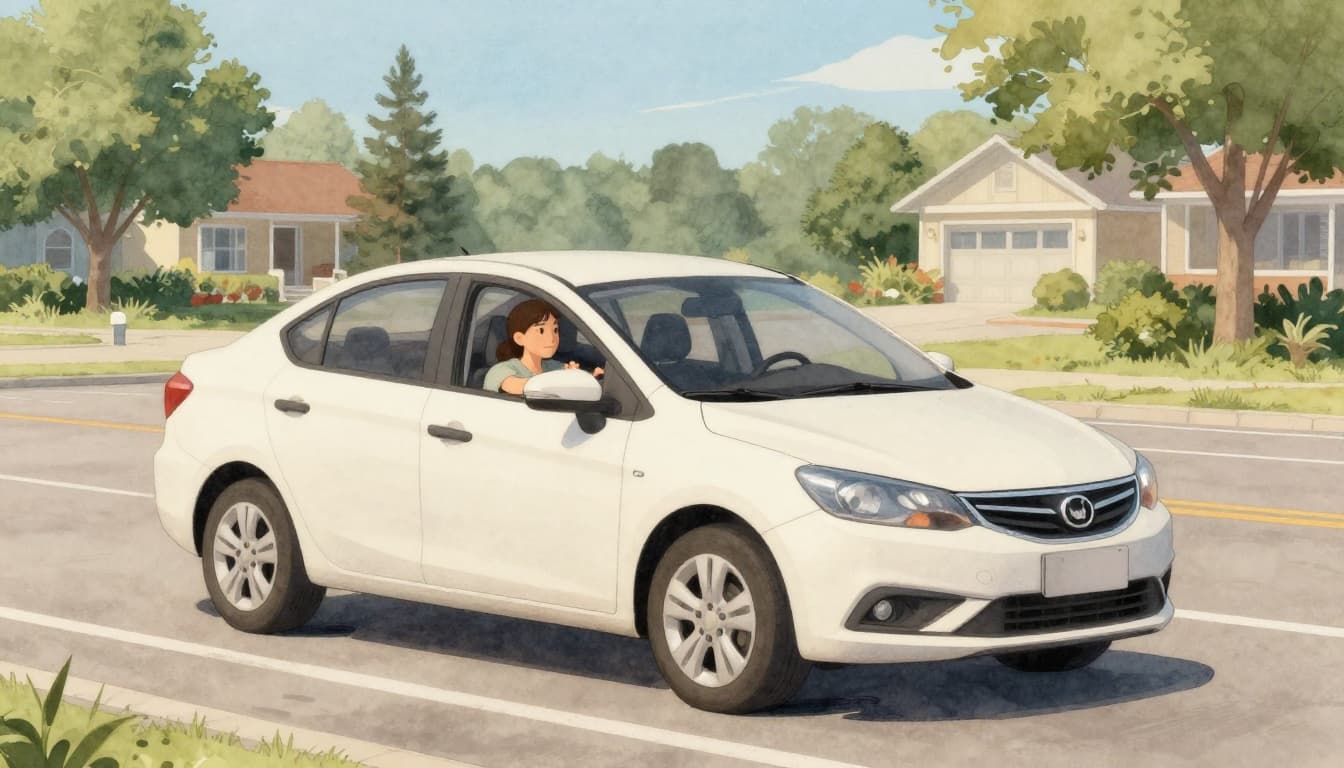
Why Professional Training Beats Learning on Your Own
Casual lessons skip key skills. Structured courses cover everything. You practice emergency maneuvers. Instructors push you to scan ahead. This shifts your mindset to defensive driving from day one.
New drivers speed or drive impaired at higher rates. Courses stress patience and focus. They lower crash odds by teaching prediction. Enroll in one approved by your state DMV. Practice weekly after.
Sarah took a course. Now she spots issues blocks away. Confidence grew because she knew her limits.
Get Comfortable with Your Car’s Controls and Maintenance Basics
Know your vehicle inside out. Check tires weekly for tread and air. Test brakes on quiet streets. Top off fluids like oil and wiper water.
Adjust mirrors right to kill blind spots. Sit straight, then tilt side mirrors out until you barely see your car. Lean to check. No overlap with rearview.
NHTSA explains this blindzone elimination method. It widens your view. Also, learn horn, lights, and wipers fast.
Make it routine. Park, check gauges, walk around. This prevents breakdowns. You drive smoother when familiar.
Adopt Daily Habits That Keep You Safe on Any Road
Habits separate good drivers from great ones. They work in rain, rush hour, or highways. Stick to them, and risks drop.
Follow the 4-second rule for space. Pick a fixed point ahead. Count “one-thousand-one” to four as the car ahead passes it. Bad weather? Make it five or six.
Scan 12-15 seconds forward. Check mirrors every 5-8 seconds. Signal early. Shoulder-check blind spots before lane changes.
Always buckle up low on hips. Set phone to do-not-disturb. Prep GPS and music before go-time.
Distracted driving killed 3,275 in 2023. Phones top the list. See Mercury Insurance’s 2026 distracted driving stats for state breakdowns.
Own your lane center. Avoid trucks’ blind spots. Stay sober. No fatigue drives either.
Log your habits in a app. Track progress weekly. It reinforces good choices.
Master the 4-Second Rule and Smart Scanning Techniques
Count out loud at first. It feels slow, but saves lives in pileups. On hills or curves, add space.
Scan intersections left-right-left, even on green. Watch for drifting cars or pedestrians. Eyes move constantly.
Rain slicks roads. Double gaps then. Braking takes longer. These habits prevent 80% of rear-ends.
Practice on familiar routes. Soon, it feels natural.
Eliminate Distractions and Stay Laser-Focused
Put phone in glovebox. Passengers answer calls. Eating waits too.
Reaching for objects spikes crash risk nine times, per Insurify data. Hands stay at 9 and 3.
Kids? Pull over for fussing. Focus forward always. One glance kills.
Build focus like a habit. Reward distraction-free trips.
Develop Defensive Driving Skills to Handle Anything
Others drive unpredictably. Assume the worst. Scan far, predict moves.
Spot side streets 10-15 seconds out. Watch tires for drifts. Green lights don’t mean clear.
Tailgated? Slow slightly. Switch lanes safe. No brake lights games.
Yield to peds and buses. Pick an escape path always, like shoulder room.
Practice sudden stops in safe spots. Stay calm with breaths. This handles chaos.
Defensive courses teach this. One source notes they equip newbies for real threats: defensive course benefits for new drivers.
Predict Hazards Before They Happen
Drifting cars signal turns. Parked cars hide peds. Scan brakes ahead.
No full trust in signals. Intersections hide runners. Predict, then react.
This cuts new driver crashes from surprises.
Stay Cool Under Pressure from Aggressive Drivers
Road ragers pass unsafe. Let them. No gestures or honks.
Tailgaters? Ease right, let pass. Extreme cases, call 911.
Breathe deep. Count to five. Calm wins over anger.
Avoid These Common Traps That Trip Up New Drivers
Tailgating causes chain wrecks. Keep space.
Phones tempt glances. They kill thousands yearly.
Speed through yellows? Run reds next. Ease off early.
Rage builds fast. Breathe, ignore.
Ignore peds or buses. They have right-of-way often.
Reactive braking only fails. Scan ahead.
Speeding took 11,000 lives recently. Slow for curves.
No absolute right-of-way. Yield if unsure.
Fixes: Pause before phone. Count gaps. Predict always.
Dodge these, and you’re responsible.
Conclusion
Training, habits, defense, and trap avoidance make you solid. Start with mirror checks daily. Practice one skill weekly. Log wins.
Rising impairment risks in 2026 demand focus. NHTSA projects fewer deaths, but you help.
Enroll in a course today. Share your story below. What habit changed your drive?
Confident drivers save lives. Yours included. Hit the road safer now.