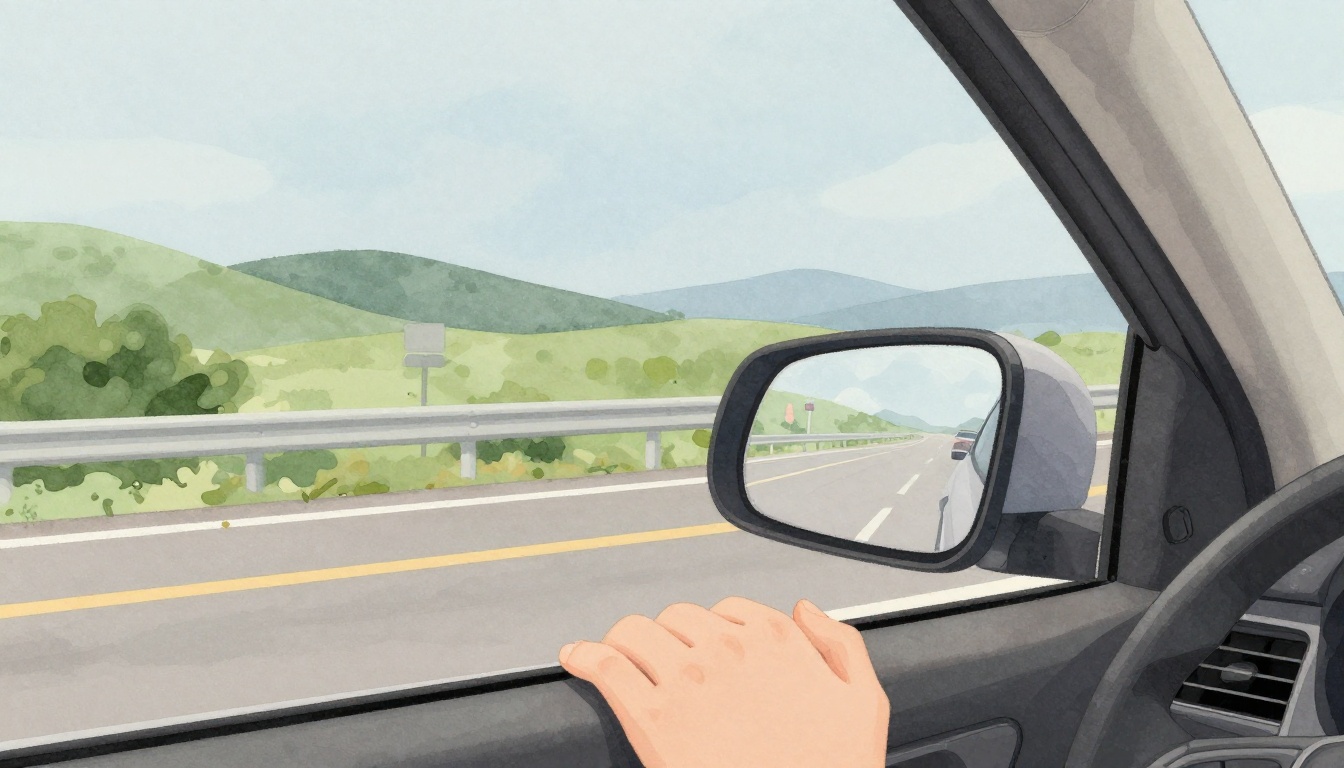
Picture this. You’re cruising down a busy highway when a car swerves into your lane without signaling. Your heart races as you spot it early and ease over smoothly. No crash. That quick notice saved the day.
Road awareness means you constantly watch and grasp everything around you. You spot dangers before they hit. It forms the core of defensive driving. This approach lets you react fast and avoid wrecks.
In the US, distraction alone killed over 3,000 people in crashes back in 2023. Poor scanning ties into that risk. This post explains road awareness components. It shows how lapses spark accidents. Plus, you’ll get simple tips to sharpen your skills. Let’s build habits that keep you safe.
What Makes Up True Road Awareness
Road awareness starts with full attention to your surroundings. You check mirrors often. You read other drivers’ moves. You know your car’s limits too. These steps create a buffer against surprises.
Drivers who scan well avoid most close calls. For example, glance at traffic far ahead. That gives time to slow down. Safe gaps behind others prevent tailgating pile-ups. Focus stays sharp without phone glances.
Every part connects. Good scans spot issues early. Reading clues predicts problems. Proper space builds reaction room. Together, they cut crash odds.
Mastering the 360-Degree Scan
Scan your mirrors every five to eight seconds. Check blind spots before any turn or lane shift. Look far down the road too.
This habit catches changes fast. A bike slips into your blind spot. You see it, signal, and merge safely. Without the scan, sideswipes happen.
Practice on quiet streets first. Then try it in traffic. Your eyes stay ahead of trouble.
Spotting Clues from Other Drivers
Watch for swerves, head turns, or no signals. These hint at sudden moves.
A truck drifts left. You slow and give space. That shares the road better with big rigs and bikes. For more on defensive habits like this, check freeway driving tips for beginners.
Predict their errors. Brake lights flicker late? Ease off the gas yourself.
Building a Safe Following Distance
Follow the three-second rule. Pick a fixed point. Count “one thousand one, one thousand two, one thousand three” after the car ahead passes it.
Your front bumper hits the point on three. Bad weather? Make it four or five seconds.
This space gives stop time. It stops chain reactions in traffic jams. Here’s a clear view of it in action:
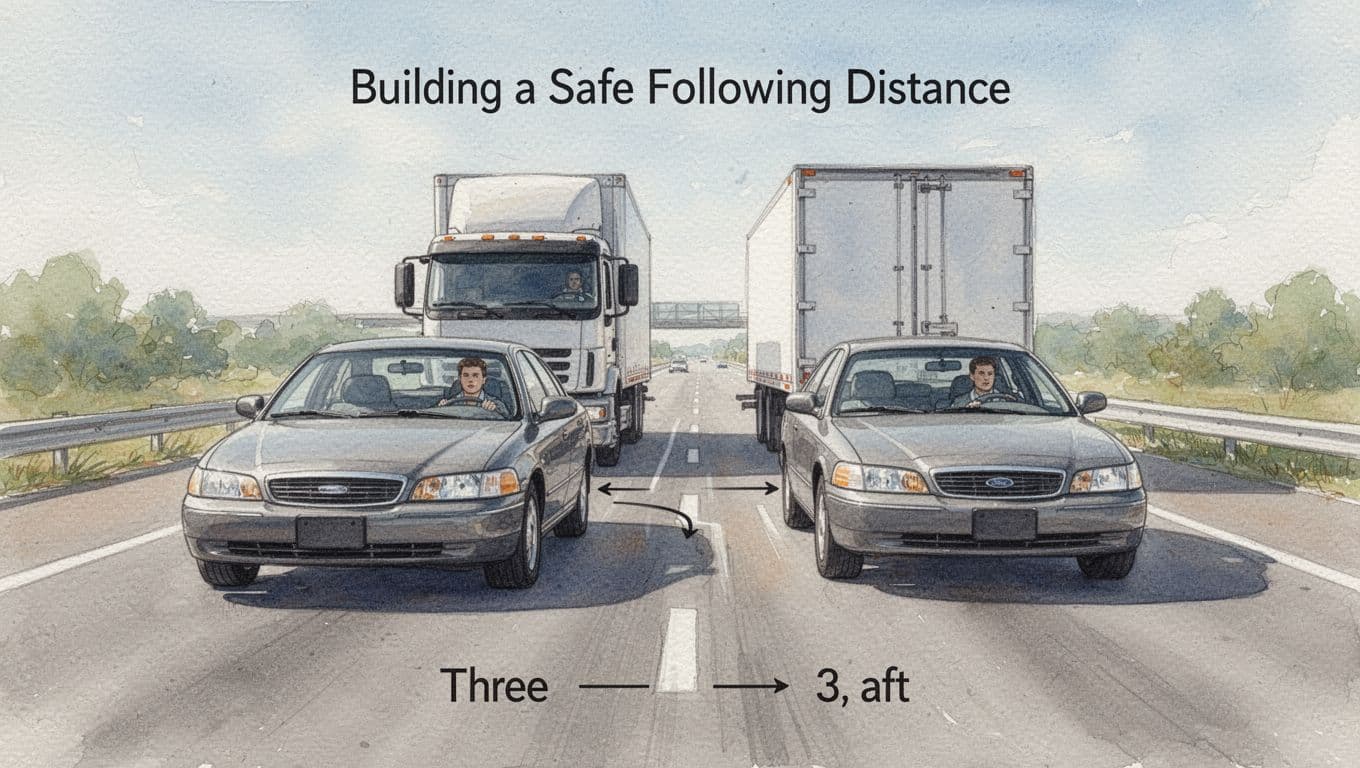
Trucks need even more room ahead. Adjust for speed and rain.
How Missing Road Awareness Sparks Crashes
Lapses in awareness lead straight to wrecks. Distraction pulls eyes off the road. Poor scans miss blind-spot cars. Results? Collisions you could dodge.
Reactive drivers crash because they fix problems too late. Proactive ones spot risks first. Fleet programs teach this. They report fewer near-misses after training.
In 2023, distraction caused over 324,000 injuries nationwide. Careless habits like bad scanning add to that. Police note it in just 8% of reports. Real numbers run higher.
Defensive courses lower these risks. They build scan and space habits.
Real-Life Examples of Awareness Failures
A driver changes lanes without a blind-spot check. Metal scrapes metal. Chaos follows.
Or picture phone scrolling at a light. A kid darts out. Brakes slam too late. These happen daily.
Rain hides a merging car. No scan means a spinout. But awareness turns it into a safe swerve. See this tense moment:
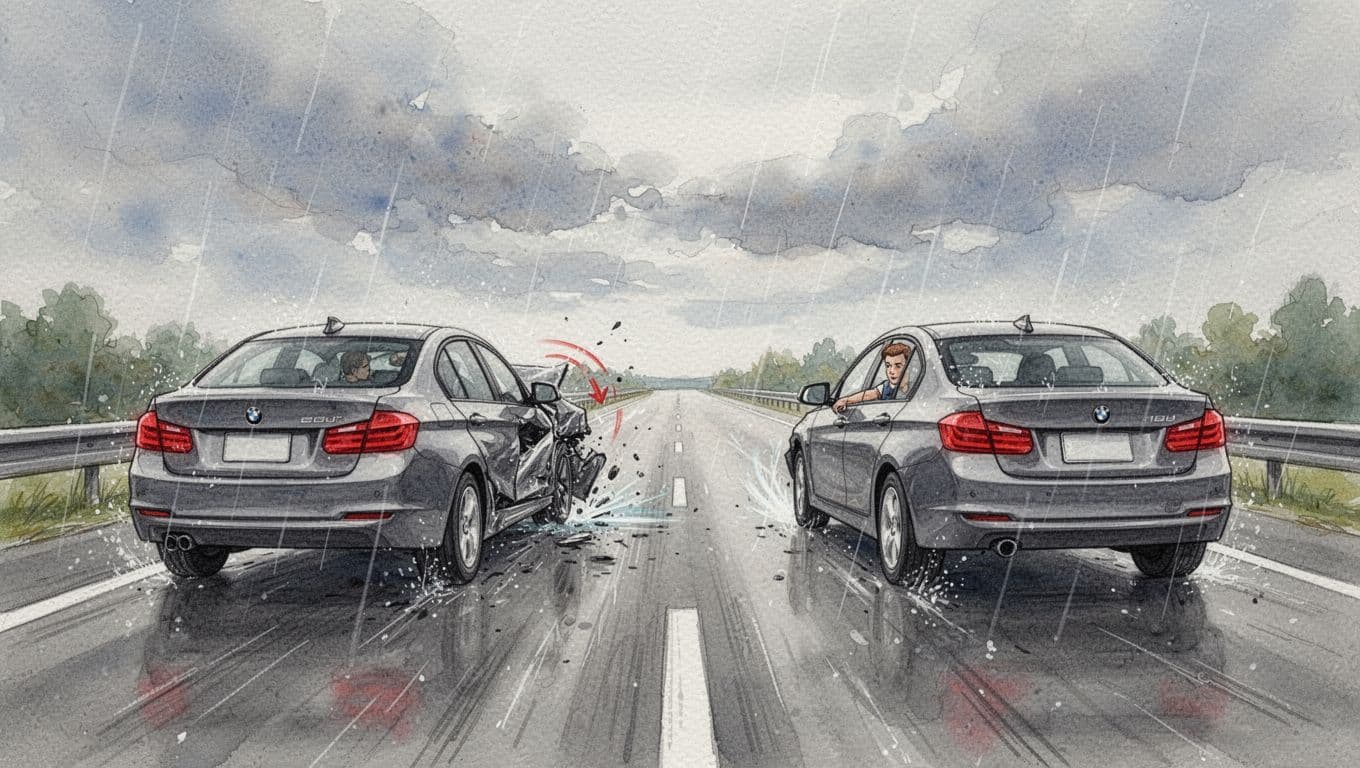
Early spotting saves lives.
Stats and Studies on the Risks
Distraction killed 3,275 in 2023. That’s nine deaths daily. Teens lead with 58% of their crashes tied to it.
Poor scanning falls under careless driving at 8.2% of fatals. NHTSA data shows awareness campaigns cut rates. Check their 10 safe driving tips for proof.
Training works. It drops incidents by building focus.
Proven Ways Awareness Boosts Your Safe Driving
Awareness lets you anticipate trouble. Spot a tired driver weaving? Slow and switch lanes.
It adapts to weather or night curves. Brake early. Signal clear. Others get the message.
Focus sharpens reaction time. Safe space stops chain wrecks. Confidence grows for new or busy-road drivers.
Proactive minds share roads better. You predict stops from faint brake lights. No surprises.
For California-specific rules, see the DMV safe driving section. These habits stack up to fewer crashes overall.
Easy Daily Habits to Sharpen Your Road Awareness
Start small. Scan mirrors every few seconds. Signal turns early. Make eye contact at stops.
Ditch the phone on every trip. Brake smooth in packs. Adjust for dark or wet roads.
Assume others mess up. Plan your escape route. This defensive mindset keeps you ready.
Try one habit today. It adds up fast.
Ditch Distractions for Laser Focus
Put the phone away. No eating or radio fiddling. Fatigue hits quick too. Pull over if sleepy.
Short drives tempt slips. Treat them like highways. Full alert every mile. Check tips to improve defensive awareness for more.
Eyes stay locked forward.
Practice Defensive Driving Everywhere
Expect errors ahead. Scan for outs like shoulders.
Use hazards to warn tailgaters. Slow for curves. These steps build instinct.
Roads get safer when you lead by example.
Road awareness ties it all together. Scans, clues, and space prevent most crashes through early action. You’ve seen the risks from lapses. Now pick one habit. Scan more. Keep distance. Stay focused.
Commit this week. Try the three-second rule daily. Safer roads start with you. Share the road; save a life.
“Drive like everyone else is wrong. You’ll be right more often.” – Old driver wisdom.