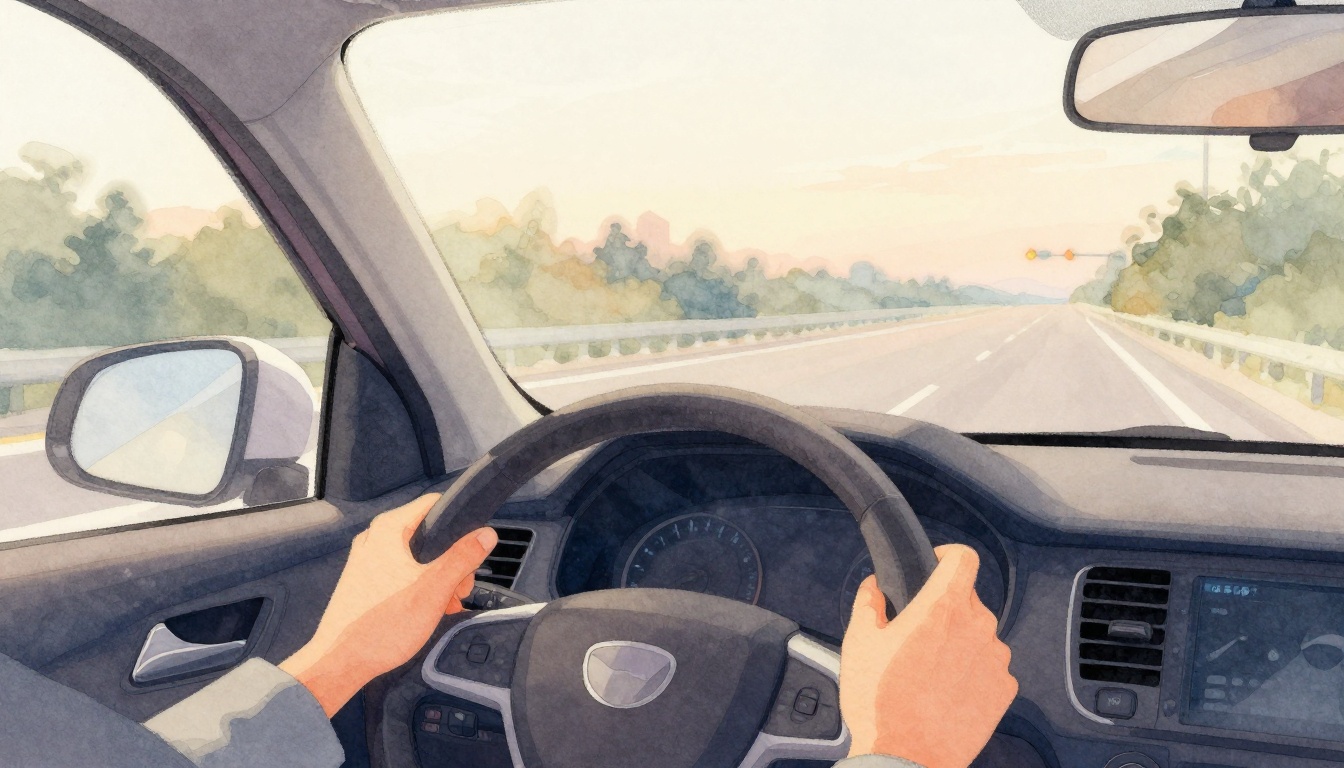
Distracted driving claimed 3,275 lives in 2023. That’s about nine deaths and 890 injuries every day. These figures from the National Highway Traffic Safety Administration mark the most recent full-year data as of 2026.
Phones buzz, kids chatter, and minds wander. One quick glance kills focus and sparks tragedy. Yet simple habits can shield you from these risks.
This post shares practical steps to stay focused behind the wheel. You’ll learn the real dangers first. Then prep tips, smart habits on the road, and ways to beat tech and fatigue. Follow them, and you slash your crash odds.
See the Real Cost of Losing Focus on the Road
Distractions turn safe roads deadly. In 2023, they factored into 781,958 crashes. That’s a huge toll on families and highways.
Even a two-second glance away doubles crash risk. Drivers often feel in control. Stats show otherwise. One slip can end your trip or worse.
Night drives spike dangers. Teens and young adults face higher rates. Males made up 71% of fatal cases. Check NHTSA’s detailed 2023 research note for the full breakdown.
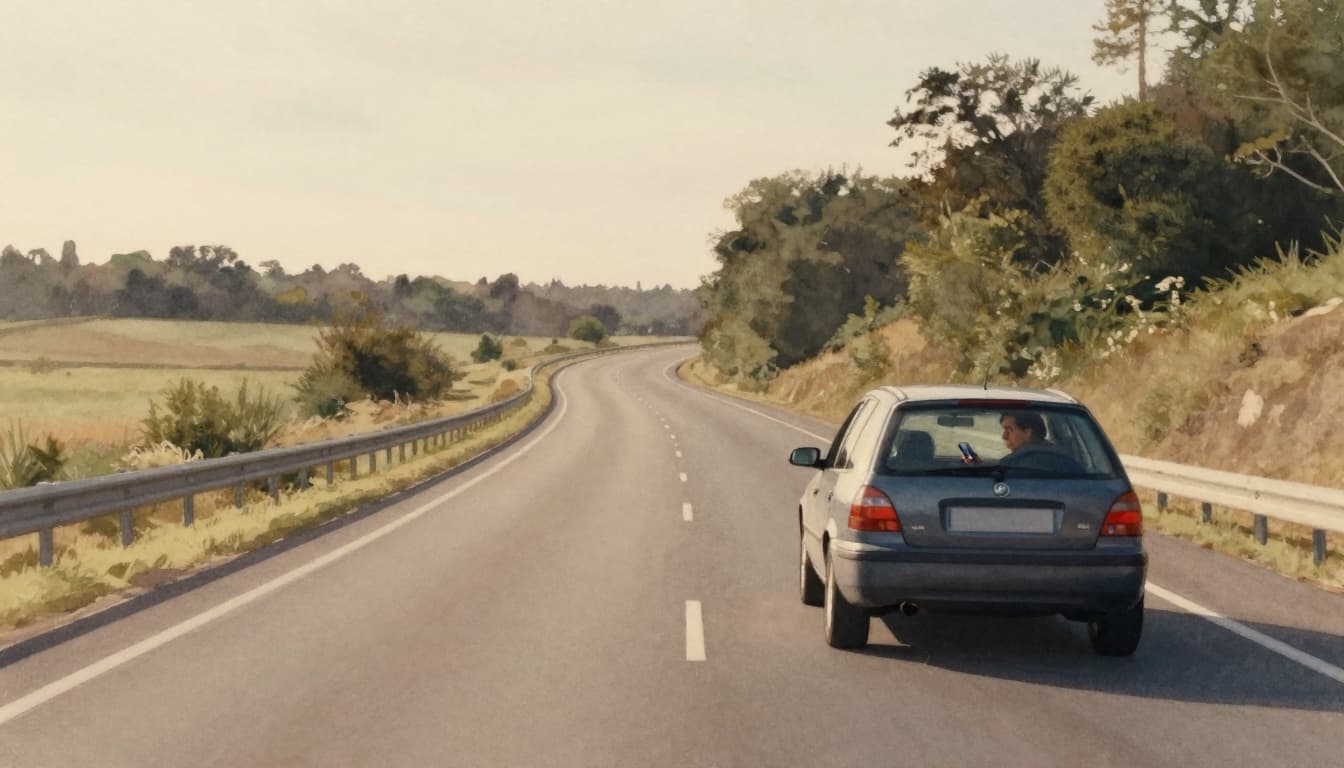
Shocking Stats from Recent Years
Numbers hit hard. Distracted driving caused eight percent of fatal crashes. That equaled 3,021 incidents with 3,275 deaths.
Injury crashes reached 13 percent, or 222,396 cases. Overall crashes stood at 13 percent too. Daily, nine people died and 890 got hurt.
A slight drop came from 2022’s 3,308 deaths. Still, the cost stays high. Pedestrians and cyclists added 611 deaths.
Here’s a quick view of 2023 crash types:
| Crash Type | Percent | Crashes | Deaths/Injuries |
|---|---|---|---|
| Fatal | 8% | 3,021 | 3,275 deaths |
| Injury | 13% | 222,396 | 324,819 injuries |
| All (including property) | 13% | 781,958 | N/A |
These stats underline year-round threats. They motivate change now.
Top Distractions That Steal Your Attention
Phones top the list. They linked to 397 deaths. Texting or talking pulls eyes off road for seconds that count.
Reaching for objects causes many wrecks too. Eating or drinking diverts hands. Passengers chat and distract, especially with kids.
Fatigue sneaks in as a silent thief. Teens glance at phones 21 percent of drive time. At stops, two percent use handheld devices.
Underreporting hides true scale in teen and truck crashes. Common acts like adjusting radio add up fast.
Set Yourself Up for Success Before You Drive
Prep work pays off big. NHTSA experts stress routines that block slips. Start calm, stay sharp.
Good setup frees your mind for the road. No last-minute grabs or checks. You arrive ready.
First, handle your phone. Then map the route. Set passenger rules too. In addition, grab sleep the night before.
These steps build a buffer against chaos.
Tame Your Phone Right Away
Phones kill focus. Turn off notifications before you sit down. Switch to Do Not Disturb mode.
Put it in the glove box or trunk. Out of sight means out of mind. This avoids those 397 phone-linked deaths.
Why bother? A buzz tempts a glance. Hands-free helps, but full silence works best. Make it habit number one.
Plan Your Trip to Avoid Surprises
Surprises steal attention. Check your route ahead with apps like Google Maps. Set the GPS before starting the engine.
Fuel up early. Pack snacks if needed, but eat first. Tell passengers to pipe down or handle their own stuff.
Clear plans mean fewer stops. You drive smooth, eyes ahead. For more NHTSA prevention ideas, see their site.
Lock In Your Focus with Smart Driving Habits
Habits during the drive seal safety. Grip the wheel firm. Keep eyes forward always.
No multitasking allowed. Scan mirrors quick, then snap back. Builds safe muscle memory over time.
Breaks every two hours refresh you. Passenger talks can wait if they pull focus. Pull over for real needs.
These moves keep you locked in.
Keep Eyes on the Road and Hands Steady
Eyes wander, crashes follow. Skip texting, dialing, or scrolling. Eating waits too.
Reach for nothing under seats. Adjust mirrors and seat before go-time. Quick mirror checks take one second max.
Hands stay at ten and two. Steady grip fights swerves. Practice this, and it feels natural.
Know When to Pull Over Safely
Some tasks demand full eyes. Long calls, map tweaks, or diaper changes? Find a spot.
Use rest areas or lots. Signal clear, check mirrors twice. Resume only when ready.
Pulling over beats risk. It saves lives. Everyone arrives whole.
Beat Tech Traps and Tiredness Head-On
Tech tempts constant. Fatigue fogs the brain. Beat both with smart counters.
Studies show bans and apps cut phone use. Spot yawns early. Rest beats caffeine long-term.
You hold the power. Small fixes yield big wins.
Use Tech Without Letting It Use You
Voice commands save glances sometimes. Use them sparse. Pre-set radio and nav.
Kill all app alerts. No videos or social scrolls. Mounts help, but silence rules.
Tech serves you, not the reverse. Stay legal too. Hands-free laws vary by state.
Fight Fatigue Before It Fights You
Sleep seven hours minimum. Yawns, heavy eyes signal danger. Pull over at once.
Break every two hours. Blast music or chew gum as backups. Caffeine perks short-term.
Prep with full rest. For drowsy tips, visit NHTSA’s drowsy driving page. Spot signs early, act fast.
Prep smart, drive with strong habits, and tackle tech plus tiredness. Those 2023 stats lose power when you act.
Pick one change today. Stash your phone in the glove box. Share these steps with family and friends.
You control your focus. Drive safe. Arrive alive every time.
(Word count: 1,482)