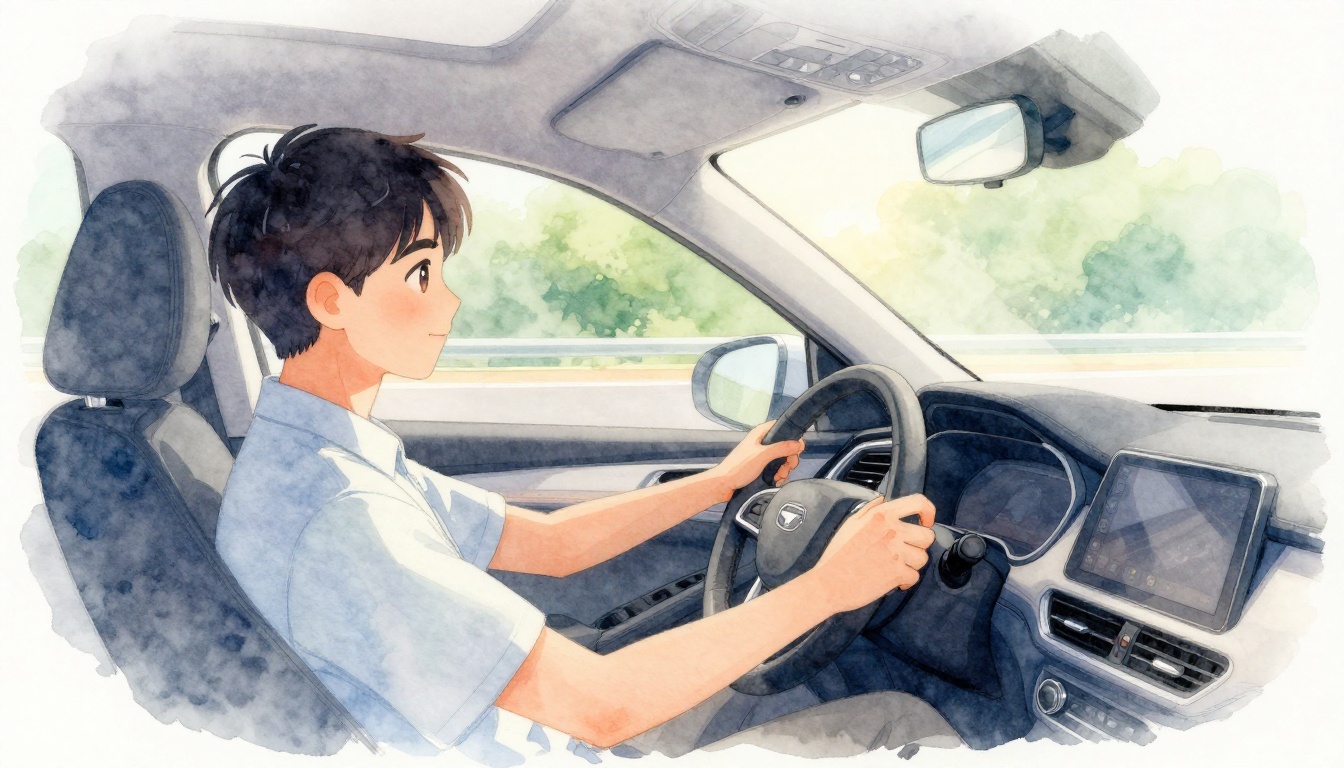
Imagine this. You grab your keys for the first solo drive. Excitement bubbles up. Then a car swerves without signaling. Heart races. New drivers aged 15 to 20 make up only 5% of licensed drivers in the US. Yet they account for 8.9% of fatal crashes. That’s from the latest NHTSA data through 2023. Sixteen-year-olds crash about four times more per mile than drivers over 20. Distractions play a big role too. They factor into many teen wrecks. Speeding hits 34% of fatal crashes for teens aged 15 to 18. Night driving spikes risks. Most teen deaths occur from 6 p.m. to 3 a.m. Inexperience adds up fast. Nearly 2,150 teen drivers died that year. Plus over 3,400 others.
These numbers hit hard because crashes remain the top killer for teens. But you can change that. Build habits now. They cut risks big time. Programs like Graduated Driver Licensing slash fatal crashes by 10 to 30% for beginners. Good news. You don’t need luck. Just smart steps.
Follow these practical steps. They turn you into a confident, safe driver. Start today. Your first rides set the tone for life.
Prepare Your Mind and Vehicle for Safe Starts
New drivers crash more because of surprises on the road. Prep changes that. First, get your head right. Adopt a defensive mindset. Assume other drivers mess up. Stay calm when they do. Then check your vehicle. Know every control cold. This combo builds a strong base.
Mental prep matters most at first. NHTSA stresses it for teens. They recommend teen driving safety plans to spot risks early. Practice cuts crash rates from inexperience. Sixteen-year-olds see the biggest drop with restrictions.
Vehicle checks take minutes. But they prevent breakdowns or failures. Always buckle up first. Adjust your seat so you reach pedals easy. Test lights and wipers before rolling out.
Build a Defensive Driving Attitude
Scan the road 12 to 15 seconds ahead. Predict what might go wrong. A car ahead could brake hard. Keep a three-second gap behind. Add more in rain or fog.
Picture this near-miss. I once tailed too close on a highway. Guy ahead slammed brakes. I stopped inches short. Lesson learned. Now I scan constant.
Try NHTSA’s free quizzes online. They sharpen your eyes for hazards. As a result, you react faster. Defensive habits drop rear-end crashes by half for beginners.
Follow the “see it, say it” rule. Spot a hazard. Say it out loud. “Truck merging left.” This trains your brain. In addition, breathe deep if stress hits. Calm drivers make better calls.
Familiarize Yourself with Your Car’s Features
Sit in the driver’s seat. Adjust mirrors so you see lanes clear. Set your seatback upright. Feet flat on floor.
Test turn signals. Honk the horn soft. Brake from low speed. Feel the pedal response. Check dashboard lights. Oil pressure low? Stop right away.
Modern cars have backup cameras. Great aid. But glance over your shoulder too. Don’t trust tech alone. For example, a kid could dart out unseen.
Know blind spots. They hide bikes or cars. Adjust mirrors wide. Practice in a lot. Soon it feels natural. Therefore, you avoid side-swipes.
Master Daily Habits That Prevent Most Beginner Crashes
Distractions, speeding, and seatbelts cause most newbie wrecks. Fix these first. Data shows clear winners. No phone use drops risk two to six times. Seatbelts cut death odds 45 to 60%. Speed control saves lives too.
Teens speed for the rush. But it kills. AAA notes summer spikes in teen crashes. They call it the 100 deadliest days. Check AAA’s teen distraction facts for proof.
Build routines now. They stick. Peers tempt bad choices. Say no early. Alcohol zero tolerance. One drink doubles crash odds.
Eliminate Phone and Other Distractions Completely
Phones top the list. They cause hundreds of deaths yearly. Hands-free myths fail. Your brain still splits focus.
Turn on do-not-disturb. Lock texts till parked. Apps block calls smart. Set passenger rules. No front-seat chatter for newbies.
Eating or music fiddling distracts too. Pull over if needed. One glance off road equals 100 yards blind. Scary stat. So focus forward always.
Parents ride along at first. They call out slips. Habits form quick. In short, zero distractions equals safer miles.
Control Your Speed and Stay Smooth on Turns
Speeding kills thrill-seekers. Teens lead in 34% of their fatal wrecks. Obey limits. Even five over adds risk.
Practice smooth starts. Accelerate gentle. Brake early. Turns crisp but not sharp. Feels boring at first. Saves lives though.
Night driving ups danger. Seventeen percent of fatal teen crashes hit 9 p.m. to midnight. Drive less then. Eyes adjust slow to dark.
Rain slicks roads. Slow ten to 15% under limit. Grip tires better. Therefore, you stay straight.
Scan Ahead and Use Mirrors Like a Habit
Check mirrors every five to eight seconds. That’s your mantra. Catch tailgaters or lane changers.
Head-check blind spots before moves. Every turn or merge. Newbies miss this. Rear-ends follow.
Scan horizons too. Brake lights far ahead? Slow now. Predict stops. This prevents pile-ups.
Make it a game. Count checks per minute. Aim high. As a result, roads feel predictable.

Practice Effectively and Use Tools to Reinforce Habits
Practice smart. Empty lots first. Daytime only. Good weather. Build from there.
GDL laws help. They limit passengers and nights. See NHTSA’s GDL guide for details. They cut 16-year-old crashes 24%. Supervised hours matter. Aim for 20 to 30 before solo.
Track rides in a journal. Note wins and slips. Parents or instructors give tips. Progress shows fast.
Tech aids in 2026. Apps buzz for speed. Dash cams replay errors.
Start Slow in Safe Practice Zones
Pick a big empty lot. Practice straight lines. Then turns. Parallel park slow.
Build speed gradual. Add traffic later. Quiet streets next. Fifty hours total ideal.
Supervisor sits shotgun. No yelling. Calm feedback only. “Mirror check now.” It sticks.
Weather clear? Go. Rain waits. Skills grow steady. Therefore, streets scare less.
Tap Into Apps and Tech for Extra Guidance
Download driver apps. They score your focus. Alert on phone grabs.
Dash cams record trips. Watch replays. Spot blind turns missed.
Stricter GDL trends continue. Deaths fall for youth. But stay vigilant.
NHTSA’s 10 safe driving tips fit apps perfect. Log daily habits. Share progress.
You got this. Tools make pros fast.
Safe habits start small. Prep your mind and car right. Ditch distractions and speed. Practice deliberate. These steps slash your risks.
GDL plus routines drop teen deaths big. Nearly 30% fewer crashes overall. Commit today. Pick one habit. No phone first drive. Tell friends. Check your state’s GDL rules online.
You can master roads quick. Drive safe. Arrive alive every time.
(Word count: 1,482)