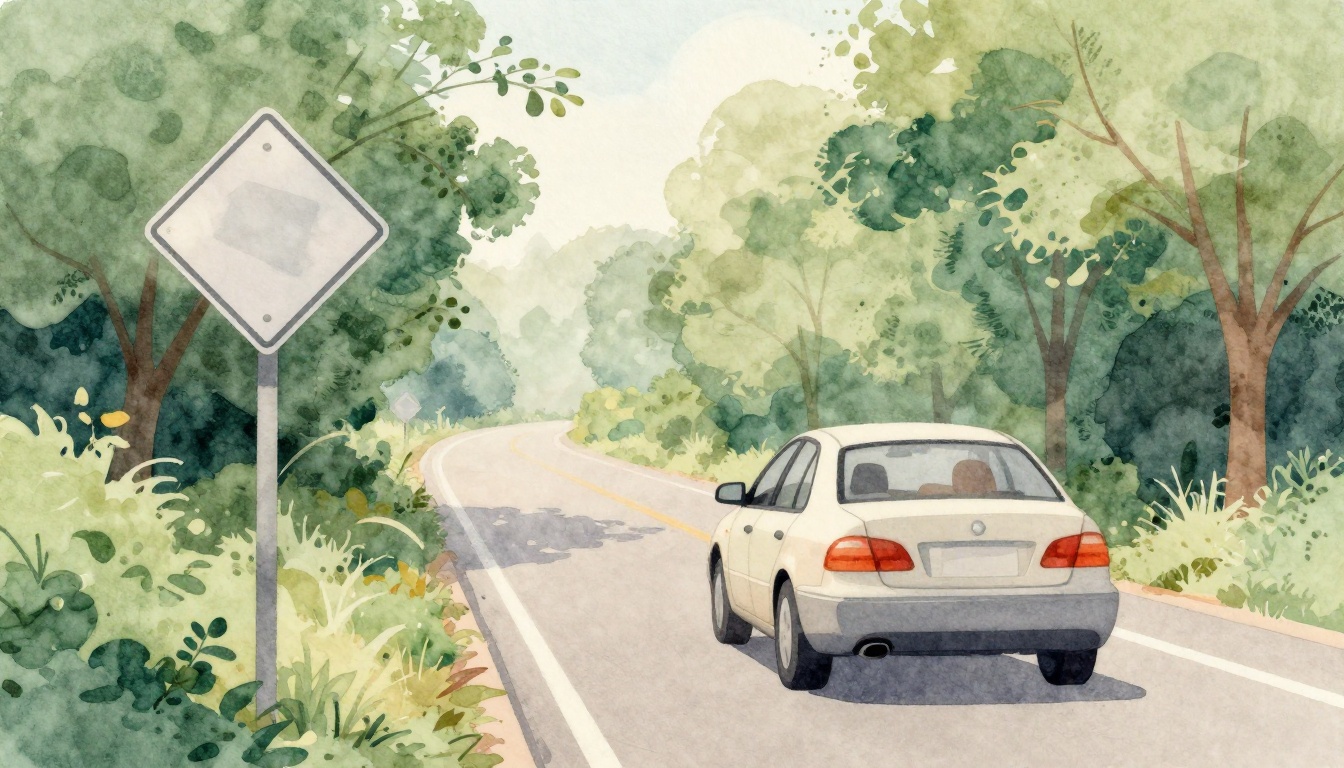
Picture this. You’re on a family road trip through rural backroads. A strange diamond-shaped sign pops up ahead. It has some squiggle you can’t make out. Your heart races as cars zoom by. You brake hard, but what next?
Confusion like that happens to many drivers. The National Highway Traffic Safety Administration reports traffic deaths dropped 12 percent from 2024 to 2025. Speed, distraction, and impairment lead most crashes. Yet clear signs play a big role in prevention. All U.S. road signs follow Federal Highway Administration standards in the Manual on Uniform Traffic Control Devices. The 11th edition took effect nationwide by January 2026. Colors and shapes stay consistent, so no major surprises.
This post covers your first moves for safety. It breaks down tricky signs. You will see the risks of guessing wrong. Plus, get tips to build confidence. Follow these steps, and you keep roads safer for everyone.
First Things First: Slow Down and Read the Clues
Spot an unclear sign? Act fast but smart. Reduce speed immediately. Hazards lurk if you barrel ahead. Eyes stay on the road while you scan details.
Colors give quick hints. Red means stop or do not. Yellow warns of danger. Orange signals construction. Fluorescent yellow-green marks school zones. Shapes help too. An octagon always means stop. A triangle signals yield. Diamonds flag warnings.
Pull over only if safe. No shoulder? Keep rolling slow. Check for extra text or symbols below the main sign. Apps or maps confirm later.
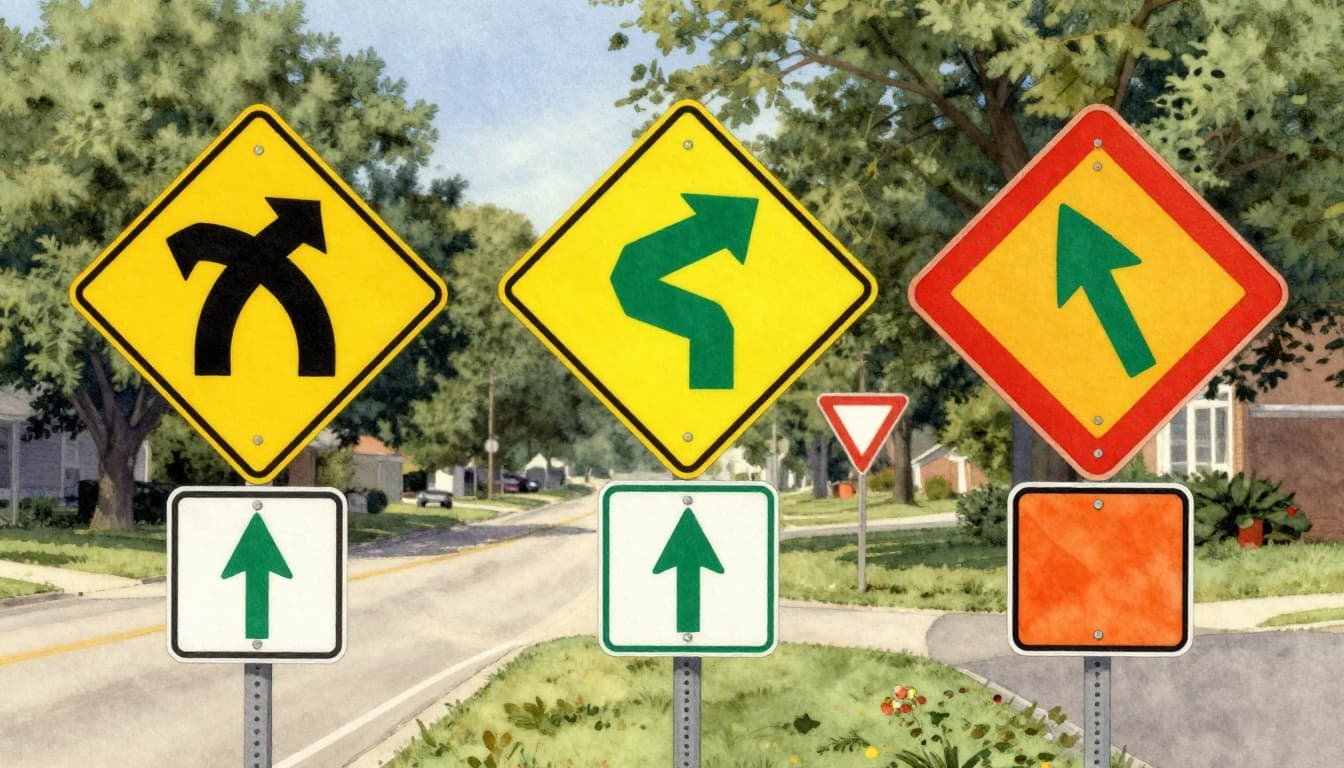
The FHWA’s guide to U.S. road symbol signs spells out these basics. Symbols beat words for speed. They cross language barriers too.
Decode with Color and Shape Hints
Red octagon demands a full stop. No rolling through. Red and white triangle means yield. Slow down. Let others go first.
Yellow diamond says prepare. It might show a curve, deer crossing, or slippery road. Pennant shape warns no passing. Stay put in your lane.
Red circle prohibits entry. Wrong way? Turn around fast. These rules hold across the U.S. No state twists them.
For example, a yellow diamond with a wiggle line flags a curve ahead. Ease off the gas. Grip the wheel firm.
Watch the Road Around the Sign
Look beyond the sign. Upcoming intersections? Rough pavement? Other drivers braking?
Night driving muddies things. Poor light hides details. Proceed only when sure. Do not block traffic.
Watch cars ahead. They slow for a reason. Merge smooth if needed. Common sense pairs with clues.
Unpack the Most Confusing Road Signs and Their True Meanings
Some signs trip up even pros. Know them cold. Here is a quick rundown of the worst offenders.
| Sign Type | Shape/Color | What It Means | Action Needed |
|---|---|---|---|
| STOP | Red octagon | Full halt at the line | Come to complete stop, then proceed when clear |
| YIELD | Red/white triangle | Give way to others | Slow or stop if traffic approaches |
| No Passing | Black/yellow pennant | No overtaking | Stay in lane, no passing on left or right |
| Curve Ahead | Yellow diamond | Road bends sharply | Reduce speed, follow curve in lane |
| Do Not Enter | Red circle/white bar | Wrong direction | Stop, turn around safely |
| School Zone | Fluorescent yellow-green | Kids nearby | Slow to 20-25 mph, watch for pedestrians |
| Construction | Orange diamond/pennant | Work zone ahead | Obey posted speeds, watch for workers |
This table draws from FHWA standards. All states use them. No 2026 shake-ups changed basics.
The FHWA MUTCD page on sign shapes and colors offers full details. Check it for visuals.
Stop, Yield, and No-Go Signs Explained
Octagon STOP rules intersections. Busy highway on-ramp? Halt full. Look left, right, left again.
YIELD at merges. Highway traffic has right-of-way. Do not force in.
Red circle Do Not Enter guards one-ways. Spot it? Brake. U-turn if safe.
Rectangle No U-Turn blocks spots like medians. Straight only. Highway exits often post them.
Warning Signs That Catch Drivers Off Guard
Diamond yellow for curves. Rollover risk on hills? Slow way down. Stay centered.
Deer signs mean watch for jumps. Dusk brings them out. Brake gentle.
No passing pennant stretches on hills. Trucks climb slow. Wait your turn.
Orange construction demands caution. Workers dart. Fluorescent school zones cut speed sharp. Kids bolt fast.
Skip the Guesswork: Why Misreading Signs Hits Hard
Guess wrong, and trouble follows. Laws demand you obey every sign. Ignorance excuses nothing.
Cops ticket fast. Courts side with signs. Your wallet hurts. Insurance jumps too.
Driver tests quiz signs heavy. Refresh that knowledge. Safety wins every time.
Uniform standards keep it fair nationwide. MUTCD rules bind all.
Fines, Tickets, and Court Trouble Waiting
Ignore a STOP? Expect $100 to $300 fine. State varies, but points add up.
Speed through yellow warning? Ticket piles on. Wrong-way entry? Hefty fine plus tow.
Repeat offenses mean license suspension. Court dates waste days.
Real Dangers Beyond the Law
Wrong-way crashes kill. Head-on from confusion? Lights out.
Miss a curve sign? Skid into ditch. Deer warning skipped? Sudden brake fails.
One driver ignores yield. Chain reaction smash. Everyone pays.
Level Up: How to Never Get Stumped by Signs Again
Build habits now. Study before trips. Passenger reads ahead. GPS voices alerts.
Form the “read ahead” routine. Spot signs early. Confidence grows quick.
FHWA resources help free. Apps quiz on the go.
Free Tools and Quizzes to Practice Now
DMV handbooks list all signs. Download yours.
Try a free DMV road signs practice test. Quick rounds build speed.
State sites offer charts. Ten minutes daily sticks it.
When safe roads matter, prep pays off.
Key Takeaways for Safer Drives
Slow down first. Use color and shape clues. Learn common signs cold. Understand the stakes. Prep with quizzes.
Grab a practice test today. Share this with family drivers. Report damaged signs to local DOT.
What if a sign looks faded? Rely on road context. Report it online. Drive defensive always.
Safer roads start with you. Stay alert out there.