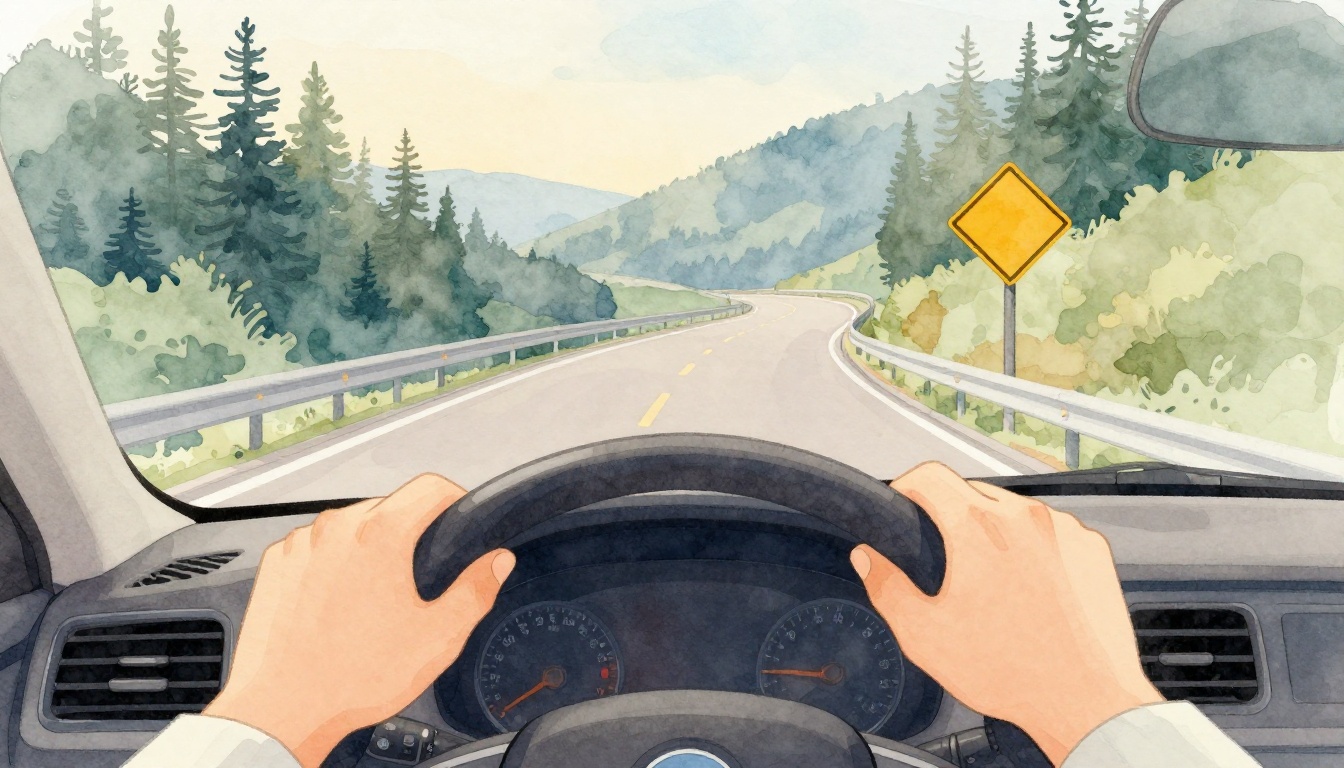
Picture this. You grip the wheel tight on a twisting mountain road. A sharp curve sneaks up fast. You spot the yellow diamond sign just in time, slam the brakes, and avoid a ditch. That warning sign saved your trip. Road warning signs follow strict US rules from the Manual on Uniform Traffic Control Devices, or MUTCD. They use bold shapes and colors so you react quick, even at highway speeds.
Drivers who miss these signs face real risks. Speeding past ignored limits or stops ties to thousands of crashes each year. Early 2025 data shows over 27,000 deaths from January to September alone, often from bad habits like blowing by signs in bad weather or zones. The MUTCD’s 11th Edition, fully in place by early 2026, keeps designs consistent nationwide for better visibility. You will learn shapes and colors first, then top signs you see daily, plus tips to react right. These steps build habits that keep you safe.
Master Road Sign Shapes and Colors for Instant Alerts
Shapes grab your eye before words do. Colors add the alert. Train yourself to spot them from afar. Diamond shapes scream warning in yellow. That combo lets you slow down without reading fine print.
The MUTCD sets these standards. Yellow means general hazards ahead. Orange flags construction. Fluorescent yellow-green highlights schools or peds. Shapes stay simple: diamonds for most dangers, pentagons for schools, pennants for no passing, circles for railroads. For full details, check the FHWA’s warning signs PDF.
Here’s a quick table of key shapes and colors:
| Shape | Color | Main Meaning |
|---|---|---|
| Diamond | Yellow | Road hazards like curves |
| Pentagon | Fluorescent yellow-green | School zones |
| Pennant | Yellow | No passing |
| Circle | Yellow (with crossbuck) | Railroad crossing |
| Diamond | Orange | Construction ahead |
This system works because your brain spots shapes fast. A yellow diamond pops against green trees or gray sky. Add an icon like wiggly lines, and you know slippery road without stopping.
Diamond Shapes That Warn of Road Changes
Yellow diamonds top the list. They flag curves, dips, bumps, merges, or narrowing lanes. Look for arrows bending right or left. That means adjust your path soon.
Wiggly lines signal slick spots from rain or gravel. Straight lines show dips where water pools. Merging arrows warn traffic joins from ramps. You slow down right away. These signs give you seconds to prepare.
Diamonds stand out because edges cut sharp against backgrounds. No other shape warns like that. Spot one, and brake early. Road crews place them where changes start.
Special Shapes Like Pentagons and Pennants
Pentagons shine in fluorescent yellow-green. They mark school zones with kids crossing icons. Slow to 20 or 25 mph. Flashing lights often pair with them during class times.
Pennants fly on the left side in yellow. They mean no passing for the next hill or curve. Stay right and wait. Crossbuck signs at railroads use white with red borders, but watch for yellow circles nearby.
These differ from diamonds by purpose. Pentagons protect peds. Pennants stop risky passes. Colors pop so you notice kids or trucks quick. Always yield and scan ahead.
Know the Top Warning Signs You Will See Every Drive
You meet these signs often. School zones slow morning commutes. Slippery warnings save wet days. Construction pops on highways. Each has a clear look, meaning, and move.
Focus on icons and actions. MUTCD designs make them universal. For a list of 50 common warning signs, drivers ed sites break them down well. Practice spotting so they become second nature.
Slippery Road and Weather Hazards Ahead
Yellow diamond with a car skidding or wiggly lines. It warns ice, rain, leaves make grip poor. Hydroplaning hits fast on curves.
Reduce speed by half. Straighten wheels if you slide. These signs cluster near bridges or shaded spots. Rain ups crash odds, so obey first drop.
School Zones and Pedestrian Crossings
Fluorescent yellow-green pentagon shows kids or crossing figures. Often lights flash 7 a.m. to 4 p.m. Drop to 20 mph.
Watch sidewalks and buses. Kids dart out. Crashes here injure most because speeds stay high. Stop full if lights pulse.
Construction Zones and Temporary Dangers
Orange diamonds replace yellow ones. Icons show workers, cones, or detours. Speeds drop to 25 or 45 mph. Fines double in these spots.
Scan for flaggers in vests. Cones narrow lanes. Plates or barrels block paths. Crews change setups daily, so stay alert. For more on road signs meanings, charts help visualize.
Proven Tips to Spot and React to Warnings Every Time
Scan 10 to 15 seconds ahead. Yellow or orange diamonds mean brake now. Even if the road looks clear, trust the sign.
Slow smooth, no jerks. Cover your brake on curves. Obey in work zones; cameras catch speeders. Practice shapes with passengers on drives. Quiz each other at stops.
No major MUTCD shifts hit in 2026, so standards hold. For quick recognition guides, see road warning signs tips. Build habits: glance high for signs, low for lanes. Ditch phones to catch them all.
Ride with new drivers and point them out. Repetition sticks. These steps cut surprises and boost confidence.
Spotting warning signs starts with shapes and colors. Yellow diamonds, green pentagons, orange alerts cover most roads. Common ones like slippery or school zones demand quick slows. Tips like scanning ahead make reactions automatic.
Practice on your next trip. Quiz yourself at each sign. Share this with family or friends behind the wheel. Safe drives come from sharp eyes. Stay alert out there.