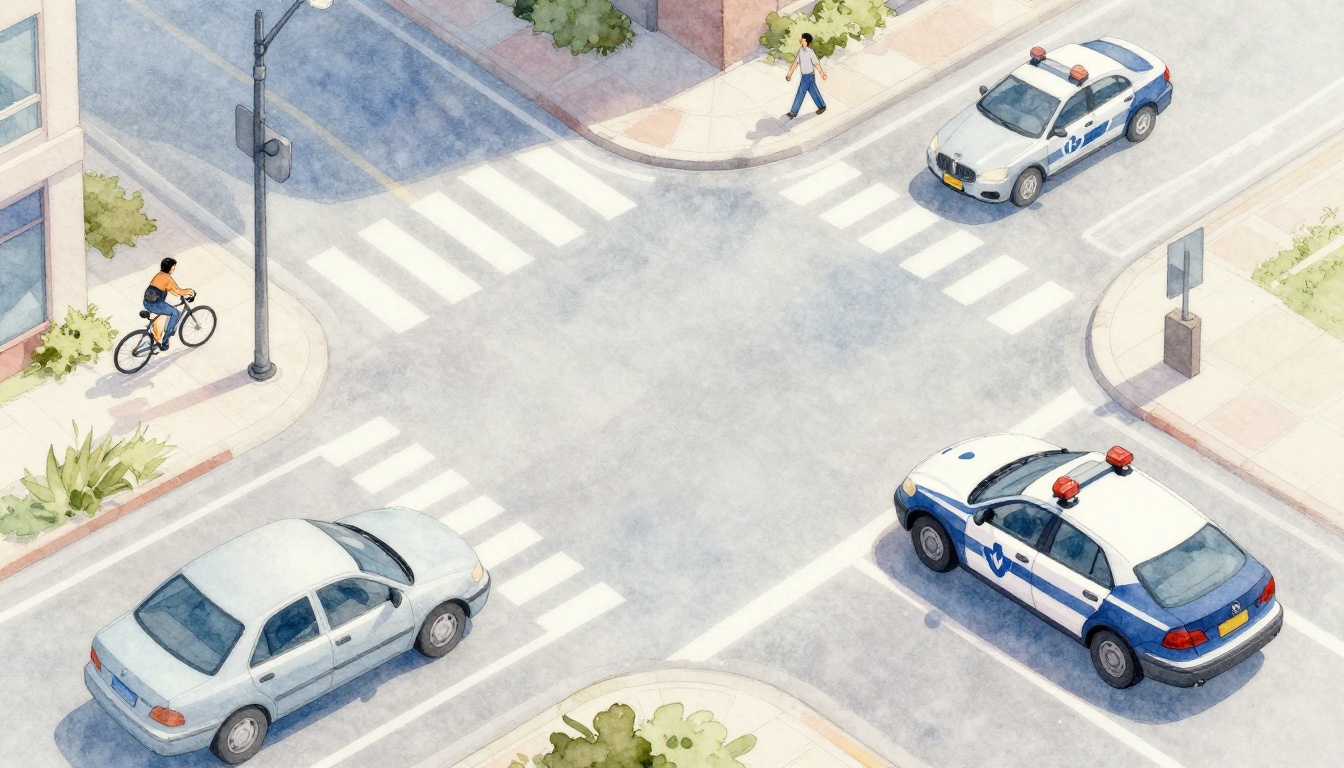
Picture this: you roll up to a quiet intersection on a sunny afternoon. The car to your right creeps ahead just as you do. Tires screech. Horns blare. That split-second confusion could end in a wreck.
Right of way means the legal permission to go first at intersections or merges. Drivers follow these rules to avoid crashes and stay safe. The National Highway Traffic Safety Administration (NHTSA) sets core guidelines, while states add small tweaks. As of April 2026, no big federal changes hit the basics. Still, safety stays top priority everywhere.
These rules cut accident risks and dodge tickets. They apply nationwide with minor state differences. In this post, you’ll learn core principles, common spots like stops and roundabouts, priorities for peds and emergencies, plus mistakes to skip and smart tips. Let’s break it down so you drive with confidence.
The Core Rules That Define Right of Way
Right of way boils down to simple ideas. Vehicles already in motion keep going. New arrivals wait their turn. NHTSA stresses this in their basics. For example, at spots without lights or signs, the first car there proceeds. Ties go to the vehicle on the right. Straight paths beat turns. These keep traffic smooth.
Drivers must scan ahead. Yield even if you think it’s yours. Doubt means stop. This “bail out” rule overrides others for safety.
Key principles include:
- First arrival goes first.
- Yield to the right on ties.
- Straight over left turns.
- Always yield to those inside the intersection.
Check NHTSA’s right-of-way rules PDF for visuals on these points. They match most state DMVs.
First Come, First Served at Uncontrolled Intersections
Uncontrolled intersections lack signs or signals. You stop fully. Look left, right, then left again. The car that arrives first moves through safely.
If you pull up together, yield to the right. Picture two sedans at a rural corner. Yours hits the stop line a hair later. The one on your right edges forward. You wait. Simple.
Peds and bikes count too. Scan sidewalks first. States like California treat unmarked crosswalks the same. Full stops prevent close calls. Practice this on back roads. It builds habits fast.
The Yield to the Right Rule in Action
Simultaneous arrivals trigger the right rule. Your car sits at the corner. Another matches your timing from the left. Yours goes because it’s farther right.
This differs from turns. Oncoming straight traffic always wins over your left turn. For instance, you signal left at a light. A truck barrels straight. You hold back until clear.
Everyday spots show it best. Neighborhood streets often test this. Drivers who ignore it risk sideswipes. Always double-check mirrors. Yielding saves lives.
Navigating Right of Way at Stops, Yields, and Roundabouts
Stops and yields demand patience. Four-way stops order traffic neatly. Yield signs mean slow and wait for gaps. Roundabouts flow without full halts. Each has steps to follow.
Signaling helps. Eye contact with others avoids mix-ups. Speed control matters most. Rushing causes wrecks.
Mastering the Four-Way Stop Dance
Four-way stops need full halts. First to stop goes first. Others follow arrival order.
Here’s how:
- Brake to a complete stop behind the line.
- Note who arrived before you.
- Proceed when your turn comes.
- If tied, rightmost goes next.
A common pitfall? Drivers inch forward too soon. This confuses everyone. Instead, wait clearly. Wave if needed. See details in this guide on four-way stop rules. It matches NHTSA standards.
Straight drivers go before turners. Peds get priority always. These steps keep flow safe.
Yield Signs and Roundabout Entry Made Simple
Yield signs call for caution. Slow down. Stop only if traffic blocks you. Creep forward. Find a gap, then go.
Roundabouts work differently. Yield to cars already circling. Pick your lane: inner for right exits, outer for left. Signal before leaving. Never stop inside the circle.
For example, approach a busy one. Traffic zips clockwise. You wait at the entry. Gap opens. Merge smoothly. FHWA’s roundabout guide explains entry yields best. States follow this. Keep speed low at 15-20 mph inside.
Priority for Pedestrians, Left Turns, and Emergency Responders
Certain road users top the list. Peds and bikes demand yields. Left turns wait for oncoming. Emergencies override all.
Defensive driving shines here. Scan crosswalks early. States enforce this strictly. No 2026 federal shifts, but local rules hold firm.
When to Let Walkers and Bikers Go First
Peds rule crosswalks, marked or not. Stop if anyone steps in or waits nearby. Yield fully until clear.
Bikes act like cars. Give them lane space. Pass with three feet minimum. For instance, a cyclist merges right. You slow and let them in.
Unmarked spots in some states still count. Always check. Colorado DMV pedestrian tips highlight this duty. Drivers cause most ped crashes by not yielding.
Emergencies and School Zones Demand Instant Yield
Sirens and lights mean pull right. Stop until they pass. New in 2026: many states expand move-over laws. Slow or shift for any hazard vehicle on shoulders, like tow trucks.
School zones drop speeds to 20 mph. Buses with flashing reds and arms? Stop both ways on undivided roads. Kids crossing get full halts.
Pull over safely first. Watch for fakes. These rules save lives daily.
Top Right of Way Mistakes Drivers Make and Smart Fixes
Errors happen often. Not yielding to peds tops the list. Left-turn blunders follow. Fixes start with awareness.
Scan far ahead. Signal early. Yield extra for safety. Check your DMV yearly. No big 2026 tweaks noted.
Mistakes That Lead to Close Calls
Drivers repeat these:
- Ignoring peds in crosswalks.
- Turning left into oncoming cars.
- Four-way stop confusion on ties.
- Entering roundabouts against flow.
- Assuming others yield to you.
Aggressive moves worsen them. Rushing yields causes T-bones. Stats show these spark most intersection wrecks.
Daily Habits to Drive Smarter and Safer
Build routines. Slow into every intersection. Make eye contact. Wave thanks after yields. Watch tailgaters.
Proactively yield. It beats fights. Practice on quiet drives. Soon, it feels natural. Safety wins over speed.
Right of way keeps roads predictable. Core rules like first-come and yield-right form the base. Stops, yields, roundabouts follow clear steps. Always prioritize peds, bikes, emergencies, and school zones. Skip common mistakes with scans and patience.
Forget “winning” the intersection. Safety trumps all. Check your state’s DMV site today. Share a close call in the comments. What’s your trick for smooth yields? Drive safe out there.