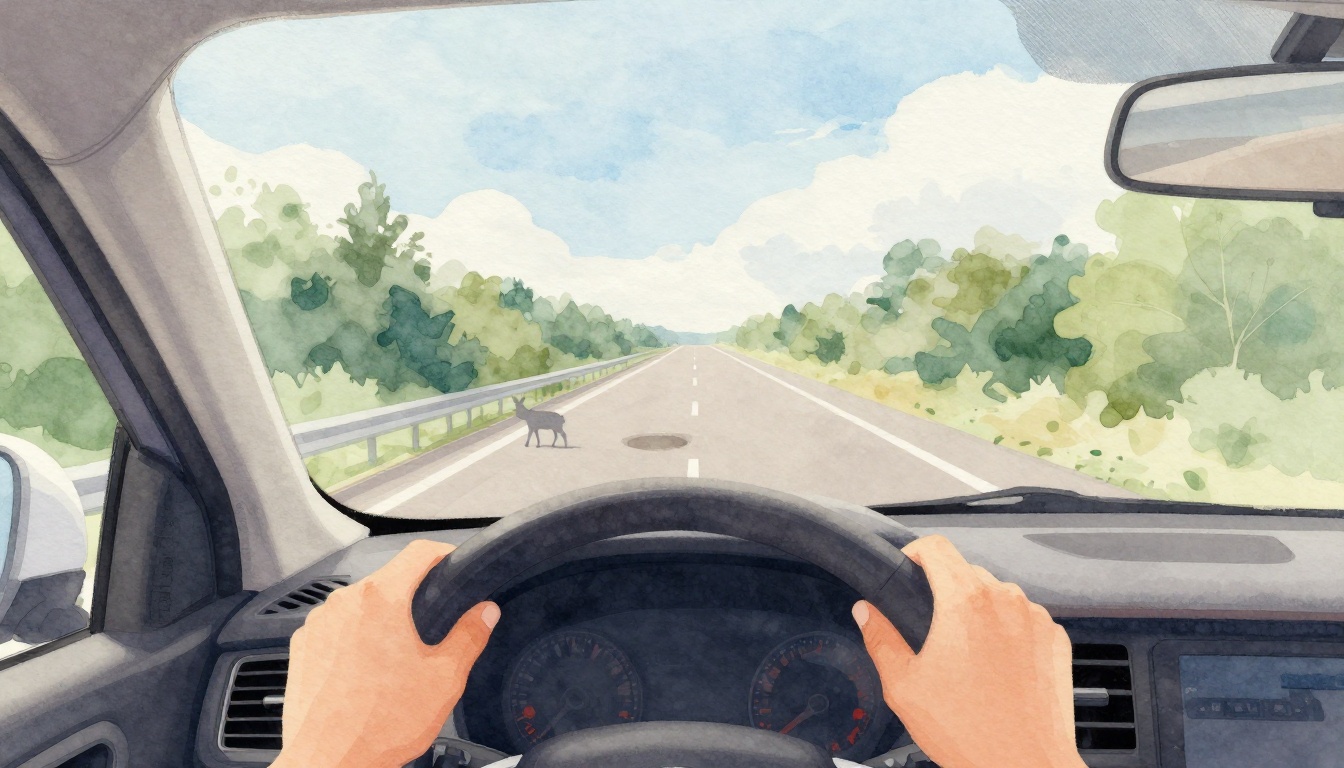
Picture this. You’re cruising down a highway when a deer bolts across the road. Or a pothole appears right in your path. Your heart races. In that split second, you decide brake or swerve.
These moments happen fast. US car crash fatalities dropped 8.2% in early 2025, with 17,140 deaths from January to June. Yet distractions and poor roads still cause trouble with sudden obstacles. Pros react in under a second. Beginners often take 1.5 seconds or more. That delay covers 66 feet at 60 mph.
You can change that. Stay alert, keep space, pick the right move, and dodge common errors. These steps help you react to sudden obstacles safely. You’ll drive with more confidence after reading this.
Spot Trouble Before It Spots You: Build Alertness Habits
Alertness gives you time. You spot issues early and react without panic. Scan 12 to 15 seconds ahead. That’s not just the car in front. Look at traffic flow, road conditions, and distant hazards.
Check mirrors every 5 to 8 seconds. Watch for weaving drivers or brake lights far off. This habit cuts your reaction time. For example, on city streets, you see a kid’s ball roll out before the child chases it.
Distractions kill focus. Put your phone away. No texting. Eyes stay on the road. Alert drivers buy those precious seconds to handle surprises.
Scan Far Ahead and Scan Often
Pick a point on the road. Count how long it takes the car ahead to pass it and reach your front bumper. Aim for 12 to 15 seconds ahead in good conditions.
Mirrors matter too. Glance left, right, and rearview every 5 to 8 seconds. You catch tailgaters or lane changers early.
On highways, spot brake lights two cars up. In traffic, notice slowing patterns. Early scans let you slow gradually. No sudden stops needed.
Watch the Sides and Shoulders Too
Road edges hide dangers. Animals lurk there. Debris falls off trucks. Scan shoulders often.
A raccoon darts from the right. Or branches block the lane. Side checks spot these before they hit your path.
Drivers who ignore sides react late. Keep your eyes moving. Full scans cover the whole scene.
Create Your Safety Bubble: Master the Following Distance Rule
Space equals options. Follow the 3 to 4 second rule. It lets you react to sudden obstacles calmly.
Pick a fixed point like a signpost. When the car ahead passes it, count “one-thousand-one” up to “one-thousand-four.” Your bumper should hit it at four seconds.
This cushion works because you travel fast. At 60 mph, three seconds covers 264 feet. Extra time means better choices.
Adjust for rain or night. Slow down first. Space buys time. Time buys options. Check the rule of seconds for safe highway distances for more details.
How to Count Your 3-4 Seconds Right
Start simple. Choose a clear point. Say “one-thousand-one” as the lead car passes.
Continue counting. At “one-thousand-three” or four, pass it yourself. Too soon? You’re too close.
Practice on dry roads. It becomes habit. Tailgaters force close gaps. Stay back anyway.
When to Add Extra Space Cushion
Bad weather demands more. Rain adds one second. Fog or dark? Go to five or six.
Heavy traffic needs extra too. Work zones count. Trucks brake slower.
Follow larger vehicles at double distance. Conditions change. So does your gap.
Your Go-To Moves: Brake Hard or Swerve Smart When Needed
Decide fast. Brake if you can stop clear. Swerve if space opens beside.
Never stare at the obstacle. Eyes go where you steer. Pick your path ahead.
Modern cars help. ABS prevents skids. Use it right for control. See crash avoidance tips on braking versus swerving from experts.
Commit to one move. No brake then swerve. That causes spins.
Nail Emergency Braking Without Skidding
Brake when a stop works best. Straight path ahead? Press pedal hard and steady.
ABS pulses. Don’t pump. Keep steering straight. You stop shorter.
Use it for potholes or stalled cars. If swerve risks side crashes, brake wins.
Pull Off a Safe Swerve Every Time
Check mirrors first. Blind spots clear? Grip wheel at 9 and 3.
Steer sharp into open space. Then return smoothly. Dodge that debris.
Practice in empty lots. Muscle memory kicks in during stress.
Skip These Rookie Errors That Cause Crashes
Mistakes turn safe spots risky. Distractions top the list. Phones delay reactions by seconds.
Panic leads to slams or wild turns. Look first. Plan your move.
Wrong seatbelt fit hurts too. Buckle low on hips. Shoulder across chest. It saves lives.
Slow for sirens. Yield in zones. Practice builds pro skills. Beginners crash more from these slips.
Review common driving emergencies and reactions to stay sharp.
Ditch Distractions and Panic Altogether
No phone in hand. Mount it if needed. Eyes forward always.
Panic freezes you. Breathe. Assess. Act once.
Train weekly. Simulate stops. You handle real ones like pros.
Alertness, space, smart moves, and no errors keep you safe. Practice the 3-4 second rule on your next drive. Scan ahead more too.
Share your close calls in the comments. What habit changed your driving? Subscribe for more safety tips. Drive confident. Stay crash-free.