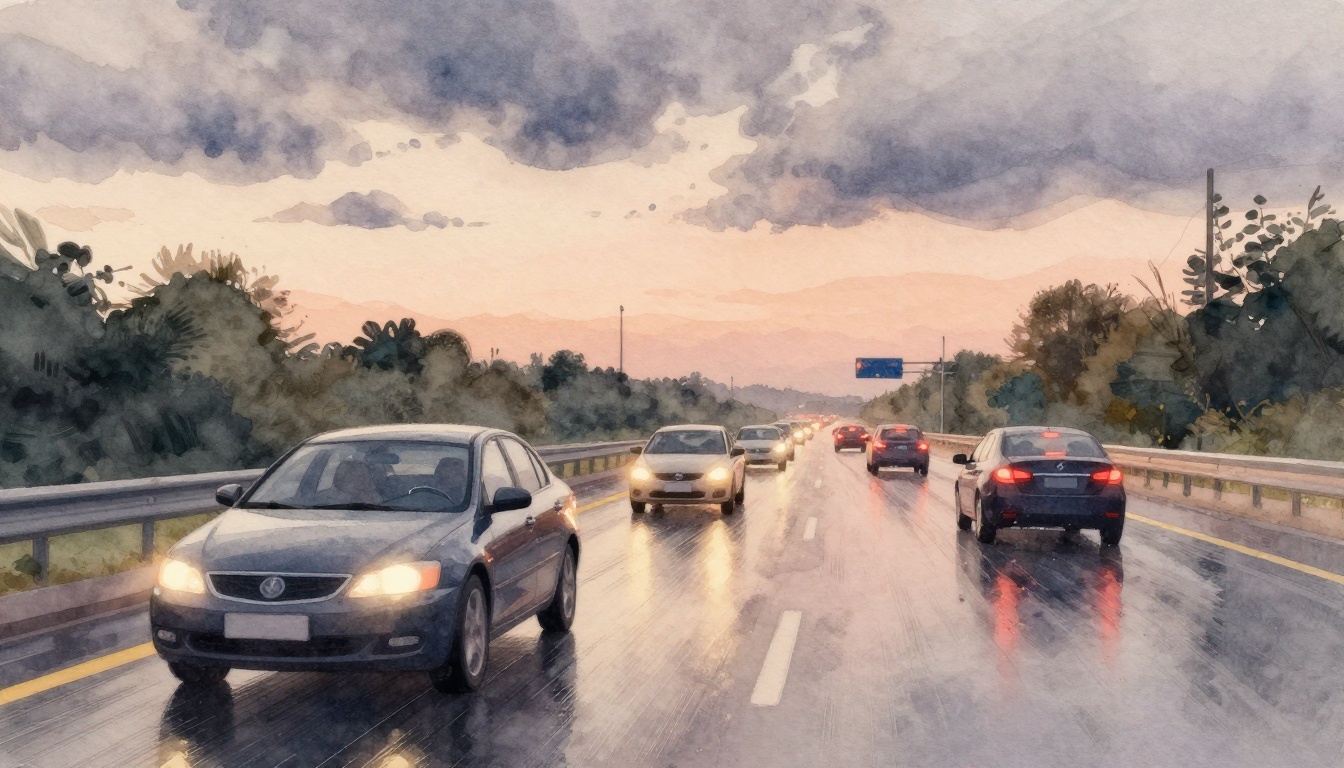
Driver error causes 94% of all car crashes in the US. That’s according to NHTSA data from detailed studies. You hop in your car for a quick trip, but one wrong move from you or someone else turns it deadly.
What are the most common dangerous situations drivers face right now? In April 2026, aggressive moves, phone glances, and bad weather top the list. Recent reports show speeding killed over 11,000 people last year alone. Distracted driving ties into 41% of driver mistakes.
This article breaks down those key risks. You’ll see real stats, vivid examples, and easy tips to stay safe. Everyday drivers like you deal with these on highways and city streets. Knowing them helps you spot trouble fast. Let’s dive into the biggest threats first.
How Aggressive Driving Turns Roads into Battlegrounds
Aggressive driving includes speeding, tailgating, and road rage. It endangers everyone nearby. NHTSA calls it operating a vehicle in a way that risks lives or property. In 2023, unsafe speeds played a role in 18.4% of fatal crashes.
Picture this: a driver weaves through traffic, cuts you off, then slams brakes. Harsh stops follow. Lane swerves make crashes worse because speeds stay high. Injuries multiply from the force. A AAA study found 96% of drivers saw aggressive acts last year. Many admit to them too.
Winter 2026 saw speeding jump in some areas. Bad roads tempt people to rush. States like Pennsylvania reported thousands of aggressive crashes. Over 100 deaths came from them in recent years. You feel the stress build on packed interstates.
Stay safe by sticking to speed limits. Signal every lane change. Give extra space ahead. These habits calm the road. For more on prevention, check NHTSA’s speeding and aggressive driving page.
Spotting and Dodging Tailgaters and Speed Demons
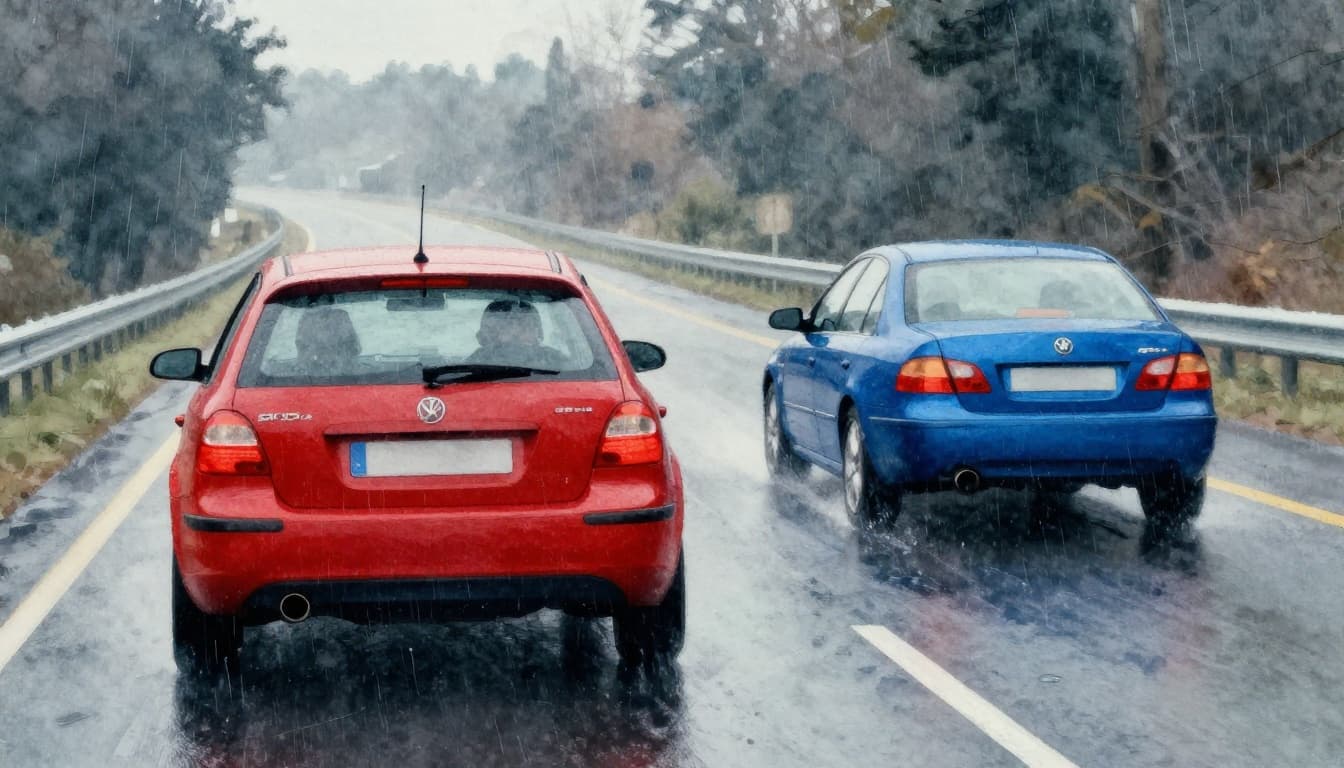
Tailgaters ride your bumper too close. Speed demons blast past at 20 over. Half of drivers hate cutters-off the most. These moves spark 52% of frustration on roads.
Highway merges turn risky fast. A tailgater forces you to brake hard. Crashes follow if you swerve. Road rage ties in, with about 30 murders yearly from it. Injuries hit 12,000 over seven years.
Increase your following distance. Add more in rain or fog. Slow down early if needed. Pull over safely when possible. Let speeders go. Your calm choice saves lives.
Handling Road Rage Without Losing Your Cool
Honking blasts and angry gestures pop up often. About 45% of drivers witness them. Summer heat spikes tempers. Louisiana leads in rage-linked fatal crashes.
Don’t make eye contact. Skip rude replies. Focus on your exit route. Breathe deep and drive away. Engaging escalates danger. See Insurance Information Institute facts on aggressive driving for full details.
Distractions and Fatigue That Make You Miss the Obvious
Distractions pull eyes off the road. Phones boost crash risk two to six times. In 2023, they linked to 3,275 deaths. That’s eight fatal crashes from inattention alone.
Fatigue hits hard too. It peaks from midnight to 6 a.m. Poor decisions follow, like drifting lanes. Impaired driving worsens in summer. Driver error covers 94% of wrecks overall.
Visual glances, manual reaches, and mental wanders all count. Hands-free calls don’t fix cognitive pulls. You miss brakes ahead. Plan ahead instead. Sleep well before long drives. Pull over if eyes droop.
A 2026 survey shows nine in ten drivers note more phone use. Enforcement ramps up in places like Pennsylvania. Stay sharp to beat these daily traps.
Phones and Passengers Stealing Your Eyes from the Road
Texting takes eyes away five seconds at 55 mph. That’s a football field blind. Calls distract too. Eating or kids in back add up. Non-drivers died 621 times from this last count.
Put your phone in the glove box. Use voice commands only if laws allow. No multitasking ever. Passengers chat less if you ask. Focus wins every time.
Beating Drowsiness Before It Hits Hard
Yawning hits first. Then lane drifts. Shift workers face higher odds. Meds that sedate worsen it.
Aim for seven to nine hours sleep nightly. Skip heavy meals before drives. Try a coffee nap: sip then rest 20 minutes. Counteract fatigue before it controls you.
Weather, Night, and Road Traps You Can’t Ignore
Rain slicks roads quick. Snow hides lines. Night drops visibility. Bikes vanish in dark. Intersections breed red-light runs, seen by over 50% of drivers.
Weather ties to just 2% of crashes. Yet it ups speeding risks 30% in bad spots. Construction zones jam traffic. Rage brews there.
Double your distance in wet conditions. Scan intersections fully before go. Move over for emergency lights, required in all 50 states. Night drives need slower speeds.
Hydroplaning sprays water wide. Black ice sneaks up. These hit sudden.
Slippery Roads and Sudden Storms
Gentle pumps on brakes fight hydroplaning. Defog windows fast. Keep headlights on always. Empty roads curve tricky in storms. See DOT weather-related crash stats for numbers.
Intersections Where Crashes Lurk Around Corners
Full stops beat roll-throughs. Yield to peds and bikes. Right-on-red needs extra checks. Crashes lurk if you rush.
New Tech Risks and Smart Ways to Stay Safe Overall
EVs handle wet roads different. Regenerative braking surprises. Self-driving cars probe deeper from NHTSA in 2026. Tesla faces checks for low visibility crashes.
Watch for AV sensors. Predict moves conservative. Brake early near them. Check your car fluids and belts weekly.
Build these habits:
- Scan mirrors every five seconds.
- Anticipate others’ errors.
- Stay sober and alert.
- Plan rides ahead.
- Obey all limits.
AI tech cut some fatalities in 2025. Behavior matters most.
Watching Out for EVs and Self-Driving Cars
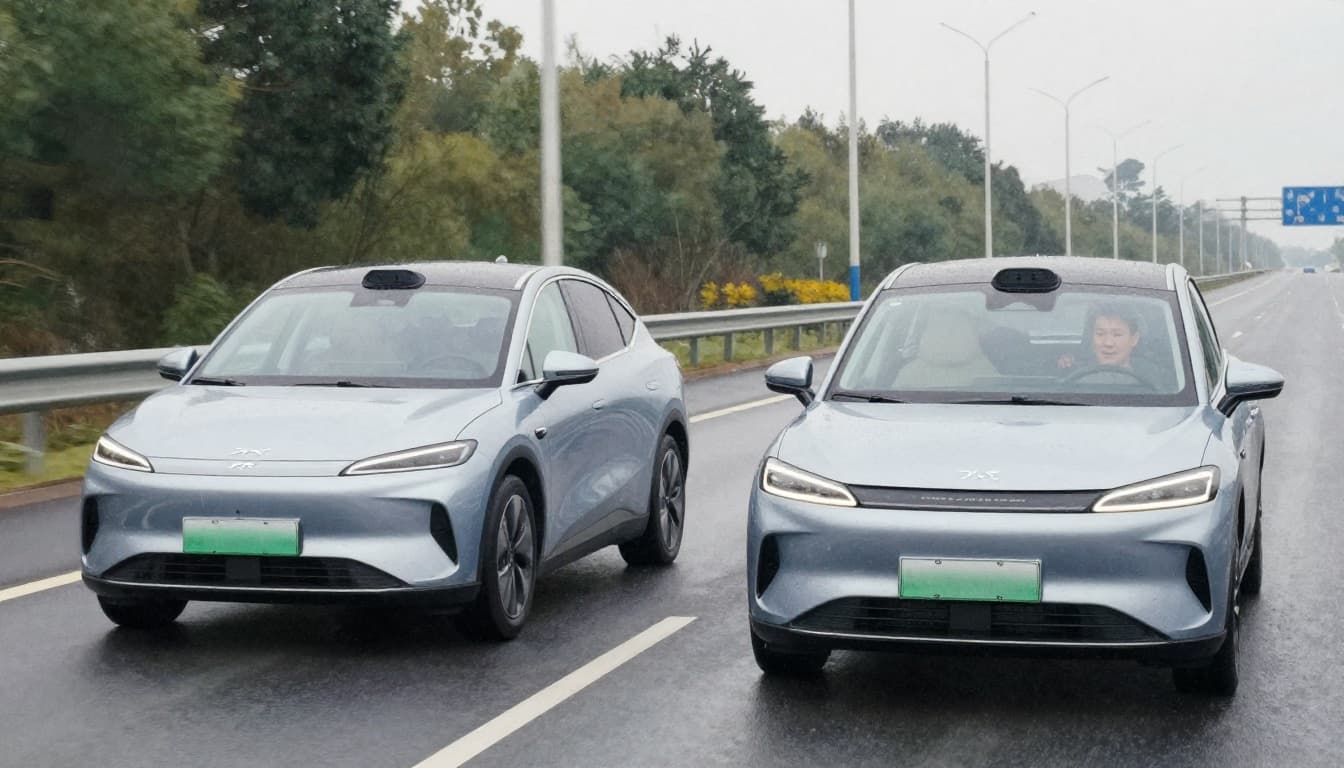
EVs brake sharper in rain. AVs act odd in fog. Stay back. Inspect tires too. Read NHTSA probe on Tesla self-driving tech.
Aggression, distractions, and weather form the top dangers. Driver error drives 94% of crashes. Speeding and phones kill thousands yearly. Road rage claims lives too.
Commit to one change today, like no-phone drives. Share these tips with family. Small habits slash your risks big time. Drive safe out there in 2026. What’s your go-to safety move?