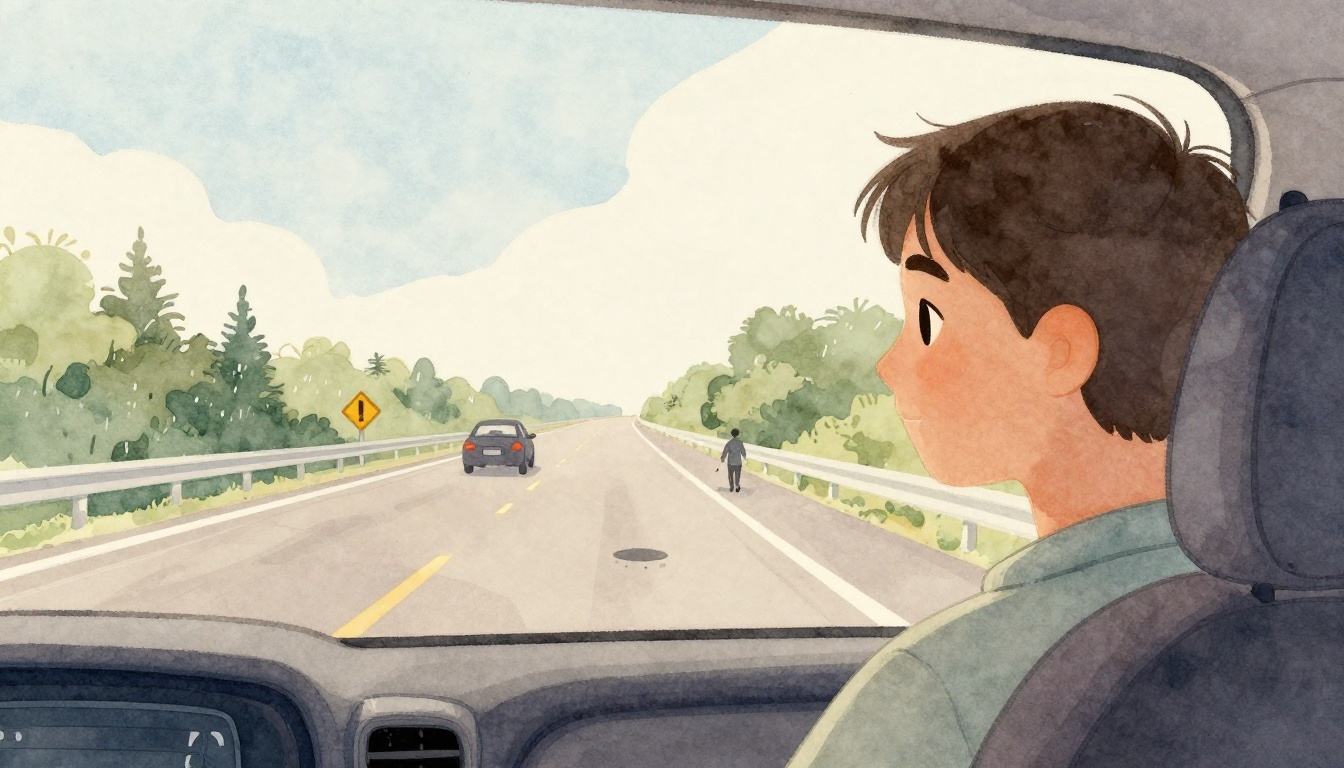
Driver errors spark most crashes on US roads. NHTSA data shows human mistakes like distraction and speeding cause over 90% of them. In 2023 alone, these issues led to 40,901 deaths, and early 2025 trends point to continued risks even as totals dip slightly.
You face these dangers every drive. Spotting hazards early lets you react calm and quick. That simple shift cuts stress and boosts safety. This post covers scanning techniques from NHTSA experts, signs of bad drivers, aggressive moves, and road conditions. You’ll learn practical steps to stay ahead.
Ready to drive with eyes wide open?
Build Sharp Eyes with Proven Scanning Techniques
Good drivers scan like pros. They look far ahead, check sides, and glance back often. This habit spots trouble before it hits. NHTSA stresses looking 10 to 15 seconds ahead. You see braking cars or swerves early that way.
Focus stays broad. Don’t fixate on one spot, like the car right in front. Your eyes move in a pattern. Check mirrors every 5 to 8 seconds. Blind spots get a shoulder check before lane changes. These moves prevent surprises.
City streets test this skill. Cars pull out from side roads without warning. Highways demand it too. Traffic slows blocks away, but you spot it first. As a result, you brake smooth and avoid pileups.
Practice builds it fast. Start on quiet roads. Then try rush hour. You gain confidence quick.
For more on NHTSA perception scanning, check their guide. It details how far looks save fuel and flow too.
Keep a Safe Gap to React in Time
Follow the 3-second rule. Pick a fixed point like a signpost. Count “one thousand one, one thousand two, one thousand three” after the car ahead passes it. Your front bumper should hit it then.
Bad weather adds time. Rain means 4 seconds at least. Trucks need more because they stop slow. This gap lets you see sudden stops from phones or texts.
Distracted drivers brake late. Your space gives reaction time. No tailgating panic. Instead, you steer clear easy.
Test it often. Close gaps creep up without notice. Recount regularly.
Glance Far Ahead for the First Warning Signs
Look beyond the next car. Brake lights glow blocks away on freeways. Vehicles weave from sleepiness show up early.
Highway slowdowns build fast. Spot them, and you merge safe or slow gradual. City intersections reveal turns too. A car edges out; you yield smooth.
This view acts like radar. Problems appear before they block you. Meanwhile, you plan moves ahead.
Spot Trouble from Distracted, Drowsy, or Impaired Drivers
Human flaws top hazard lists. Distraction grabs phones; drowsiness nods off; impairment sways erratic. Recent NHTSA trends show declines, but these errors still kill thousands yearly.
Watch for head down low. That’s phone zombies. They accelerate slow or drift right, then jerk back. Signals come late too.
Weaving screams drowsy or drunk. Lanes straddle; speed dips then surges. They brake for ghosts sometimes.
Young drivers aged 15 to 34 suffer most. Give them wide space. Slow down; change lanes safe. Never honk to snap them alert. That sparks worse.
Daily drives show it. Commuter stares at screens. Weekend partier swerves home. Spot early, and you dodge.
Drowsy mimics impaired. Eyes blink heavy; head dips. They miss exits often. Pull back then.
For signs of drowsy driving, state safety sites offer clear lists.
Watch for Head-Down Glances and Slow Reactions
Eyes off road spell danger. Drivers glance down long; cars drift. They correct sharp, which shakes you.
Tail lights stay dim longer. Brakes hit late. You see taillights flicker weak first.
Pass them safe. Speed up or slow to gap big. Stay out of blind spots.
Notice Weaving or Sudden Speed Changes
Lanes blur on weaves. Drowsy drifts left to right. Impaired jerks worse.
Speed ghosts up then drops. No reason shows. They hug curbs too.
Pro tip: missed turns mean zoned out. Create distance big. Report if safe later.
Defuse Speeders, Tailgaters, and Road Rage Before It Escalates
Aggression boils on roads. Surveys say most drivers see it weekly. Tailgaters ride bumpers; speeders weave wild.
Spot close followers first. They flash lights or honk mad. Unsignaled hops cut in sharp.
Winter ups it 30% from ice stress. Work zones draw rage too. Cones ignored; speeds hold high.
Stay cool. Let them pass safe. Pull over if they stalk. No gestures back; that fuels fire.
Serious crashes link to this. Speeding alone killed 11,775 in 2023 per NHTSA.
Slow your roll. Obey limits; signal clear. Share road with bikes and peds.
Check NHTSA speeding prevention for more facts.
ID Close Followers and Sudden Swervers
Tailgaters force bad calls. Your brakes light more; space shrinks.
Swervers hop lanes no blink. They speed through yields.
Give berth wide. Change lanes early. Mirror check first.
Tackle Weather, Roads, and Work Zones Like a Seasoned Driver
Roads change fast. Weather slicks them; potholes bite; zones shift lanes.
Rain ups crash risk 24% if you speed. Fog cuts sight; puddles hydroplane.
Construction booms in 2026. More miles fixed mean more cones.
Scan shoulders for debris. Potholes shake wheels loose.
Flashing lights demand yield. Emergency pulls sirens; buses stop kids.
Slow 10 under in wet. Move over laws save workers.
Fatalities hold steady with better signs. Motorcycles slip easy; watch peds too.
NHTSA’s work zone guide stresses slow speeds there.
Read the Road Surface for Hidden Dangers
Wet shines slick. Puddles pool deep; hydroplane starts.
Potholes hide in shadows. Debris flies from tires.
Scan ahead and sides. Shoulders drop cars quick.
React Fast to Flashing Lights and Signs
Sirens scream close; pull right now.
Buses flash red; stop full. Construction arrows point shifts.
Yield early. Speed drops save lives.
Drive Safer Starting Today
Scan ahead, spot bad drivers, ease aggression, and read roads right. These steps build sharp habits.
Practice one per trip. Buckle always; ditch the phone. NHTSA tips reinforce it all.
Share your close calls below. Subscribe for more safety updates. Safe roads lie ahead in 2026.