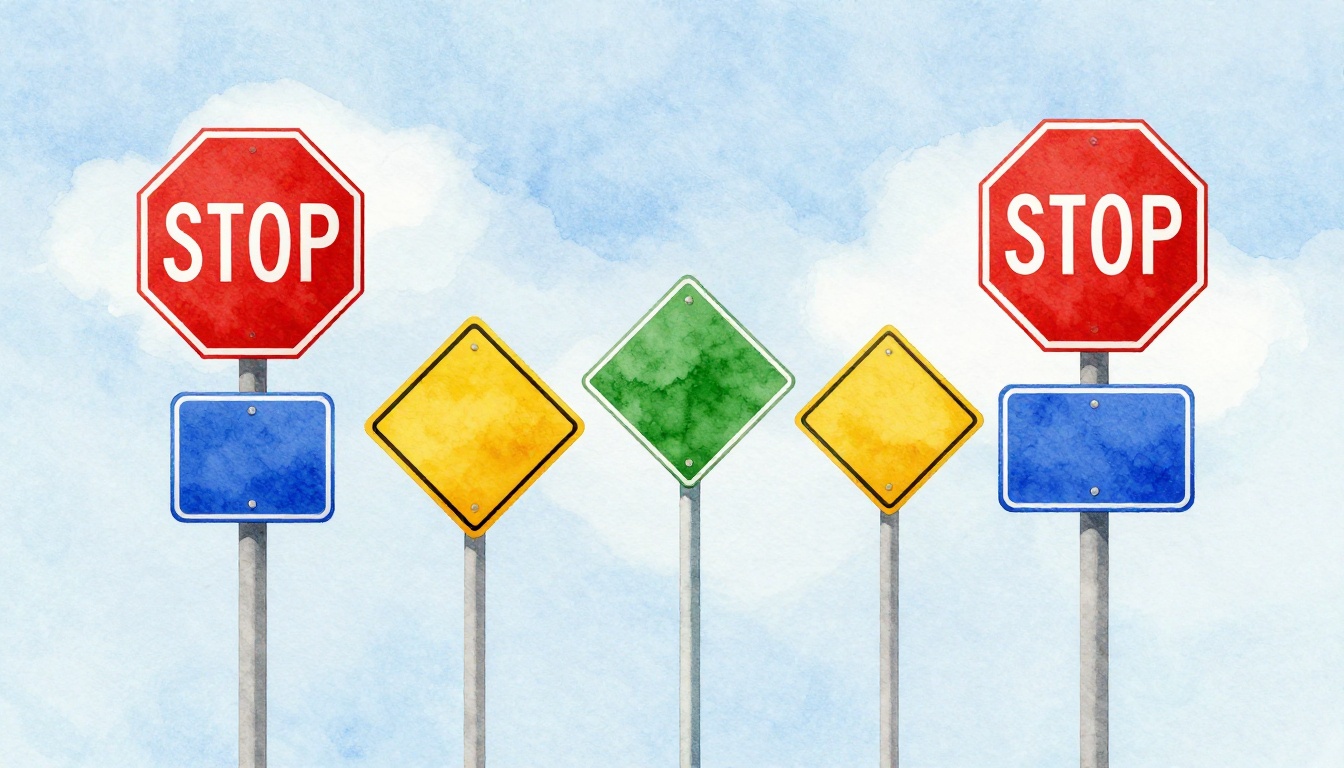
Picture this. You approach a busy intersection. A faded sign flashes by, and you hesitate. Brakes screech as you barely avoid a collision. Forgetting traffic signs can lead to close calls, tickets, or worse. They keep roads safe for everyone.
Shapes and colors give quick clues to meanings. You spot them faster than words. This guide covers regulatory signs (red and white for rules), warning signs (yellow diamonds for hazards), and guide signs (green and blue for directions). Simple mnemonics make them stick after one read. New drivers or those refreshing skills in 2026 will find these tricks handy.
Let’s start by decoding shapes and colors first.
Crack the Code of Traffic Sign Shapes and Colors
Shapes and colors tell you a sign’s job before you read it. Drivers process them in a split second at highway speeds. The Manual on Uniform Traffic Control Devices (MUTCD) sets these standards nationwide. The 11th edition, fully in effect by 2026, keeps them consistent for safety.
Colors signal action. Red demands stops or bans. Yellow warns of danger. Green points the way ahead.
Here’s a quick color guide:
| Color | Meaning |
|---|---|
| Red | Stop or prohibit |
| Yellow | Warning |
| Green | Directions or guides |
| Blue | Services like gas or food |
| White | Regulations or info |
| Orange | Construction ahead |
Shapes add more hints. An octagon always means stop. Diamonds shout caution.
Check this shape breakdown:
| Shape | Meaning |
|---|---|
| Octagon | Stop |
| Inverted triangle | Yield |
| Diamond | Warning |
| Rectangle | Regulations or information |
| Pentagon | School zone |
| Circle | Orders or railroad |
Try this mnemonic: Red means dead; stop now. Yellow diamonds yell caution. Green means go this way. These stick because they tie to real reactions. You react faster, and that saves lives.
Master these, and signs pop out anywhere.
Red Signs That Demand You Stop or Yield
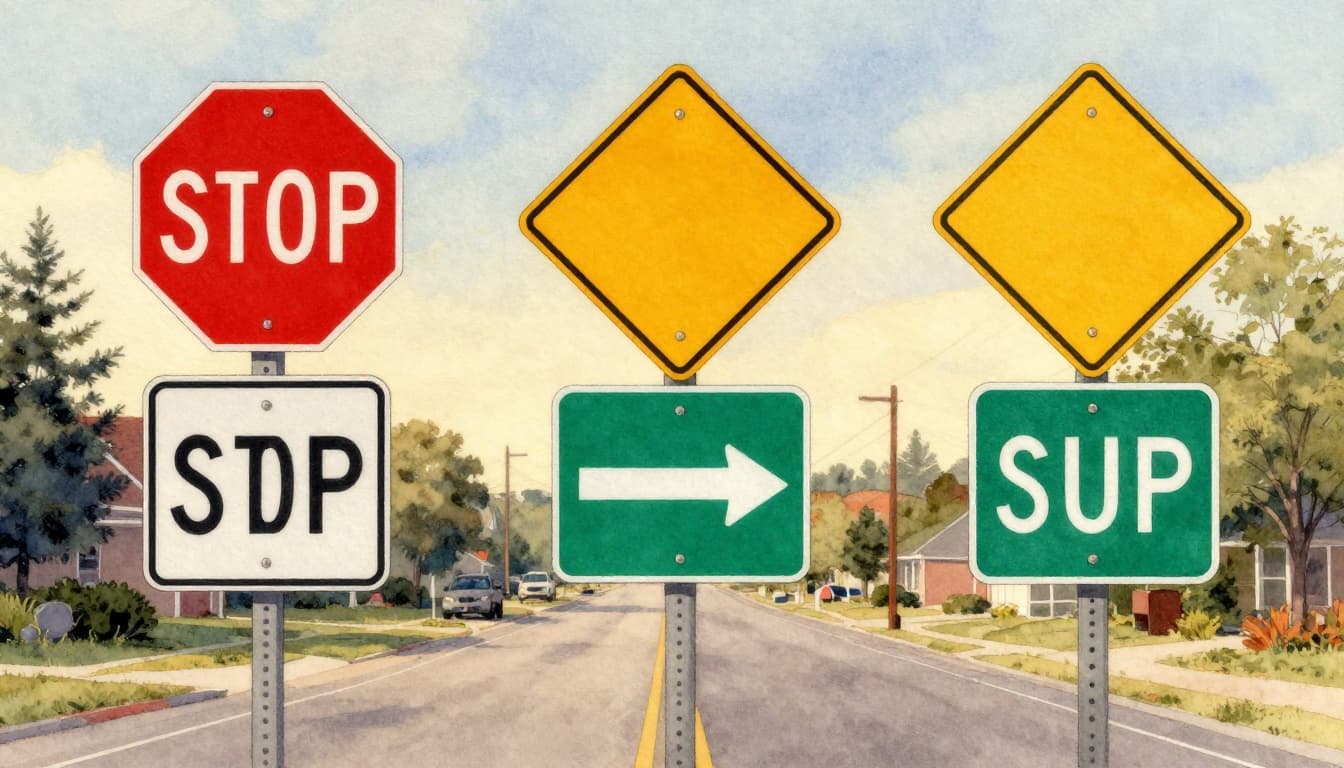
Red grabs attention first. It pairs with unique shapes for instant stops. The classic stop sign uses an octagon. Eight sides scream STOP. Picture an “octa-gon” where “gon” sounds like “gone”; speed is gone.
Next comes yield: inverted triangle in red and white. The point drops down, so you give way. It tips over to let others pass. You see these at merges or T-junctions.
Do Not Enter shows a red circle with a bar. Circle slashed means stay back. No left turn uses a similar red circle and line. Drivers ignore these at risk. Failure to yield ties to many crashes; 2025 data shows it as a top factor in deadly wrecks.
Obey them at intersections. They prevent pileups. Practice spotting red shapes daily.
White Regulatory Signs for Road Rules
White rectangles set everyday rules. Speed limit signs use white with black numbers. White box sets your speed. Obey the number game to dodge fines. States enforce these strictly in 2026.
One Way signs feature a black arrow on white. Arrow points your only path. Miss it, and you head the wrong way. These appear on city streets or highways.
Follow them because tickets add up fast. For example, speeding past a white limit sign often leads to pulls over. Check detailed shapes and colors explained for visuals. Habits form quick with repetition.
Spot Dangers Ahead with Warning Signs
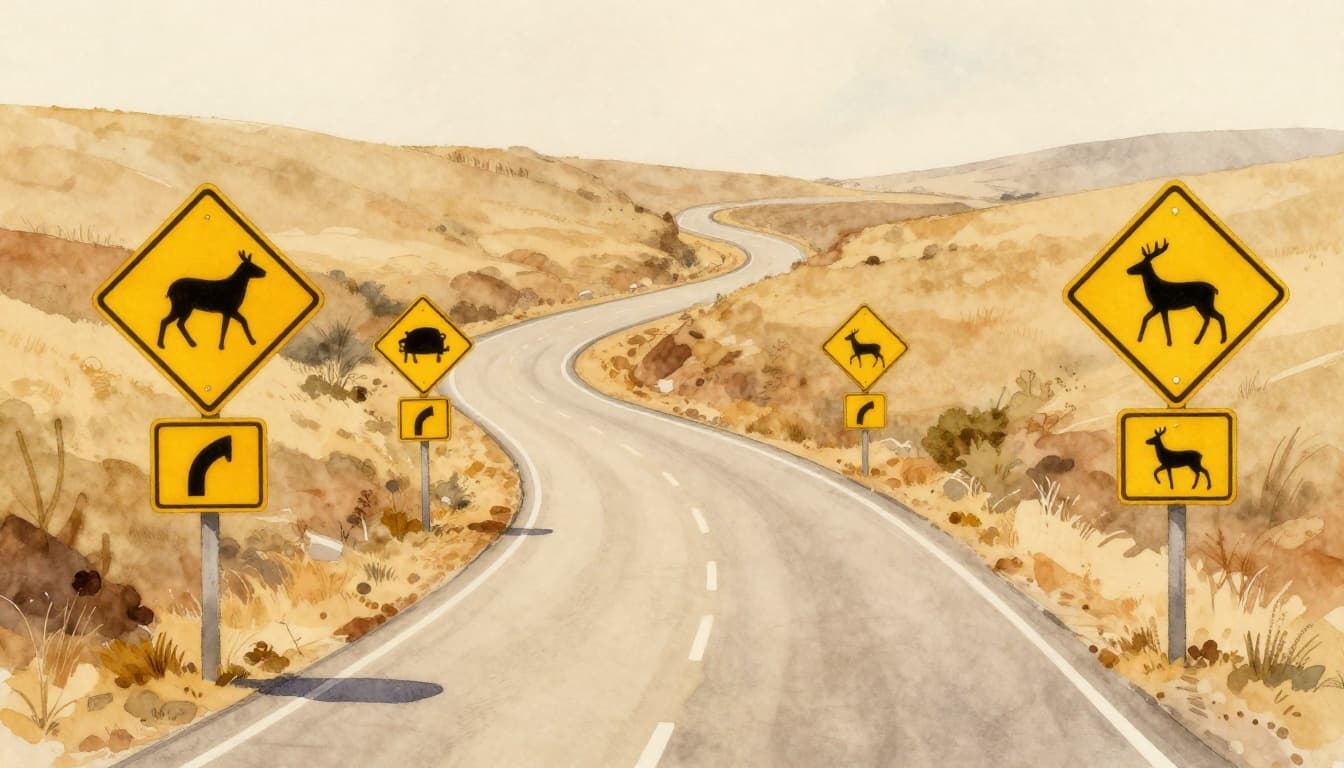
Yellow diamonds warn of trouble. They mean slow down and watch out. Yellow like a caution light ahead. You spot curves, people, or animals.
Common ones include:
- Pedestrian crossing: Stick figure walking. Eyes scan for walkers.
- School zone: Pentagon with “School”. Kids ahead; slow to a crawl.
- Curve or turn: Wiggly road line. Ease off gas.
- Slippery when wet: Skidding car. No sudden moves.
- Deer crossing: Deer shape. Brake for beasts.
- Intersection: Crossroads symbol. Prep to yield.
These cut accident risks in hazard spots. Ignoring them spikes crashes, especially failure to yield.
Drive alert near them. Lives depend on it.
School and Pedestrian Zones You Can’t Ignore
School signs use a pentagon. Five sides for five-star kid safety. Drop speed to 20 mph. Look for flashing lights.
Pedestrian signs show walkers in yellow diamonds. Scan crosswalks. From 2013 to 2022, school-related crashes killed 198 kids; 76 were pedestrians. Zones help, but drivers must slow.
See signs new drivers need in 2026. Stats show one in three drivers speed during drop-offs. Stay vigilant.
Navigate Easily with Guide and Service Signs
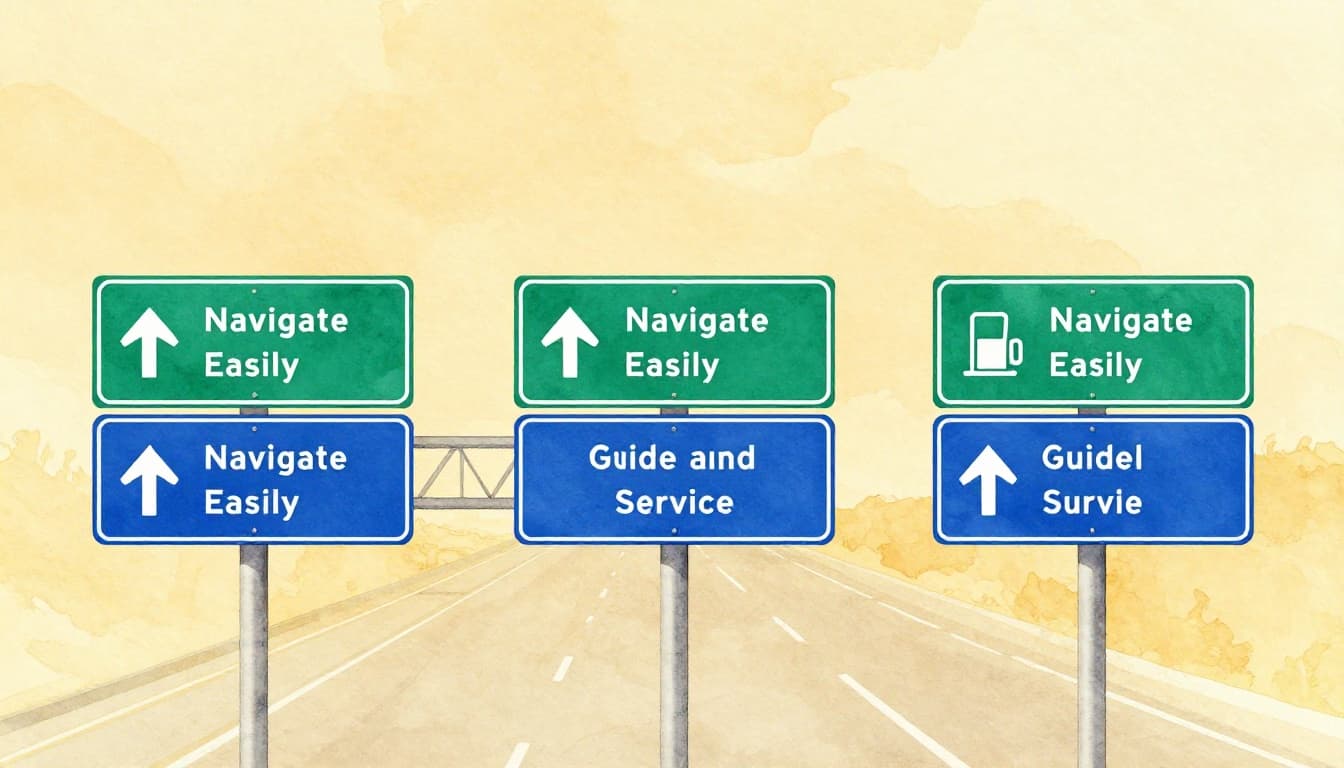
Green rectangles guide your route. Green means go this way. They mark exits, mile markers, or towns. No stops needed; just follow.
Blue signs offer services. Think hospitals, gas, or food. Spot them off highways.
Mnemonic: Green guides your green light path. Contrast yellow warnings; these help you roll on.
They prevent wrong turns on trips. Reliable in any state.
Stick These Memory Tricks in Your Brain Forever
Group signs simply: Red for react, yellow for alert, green for go. Repeat colors and shapes aloud.
Make flashcards. Draw octagons red, diamonds yellow.
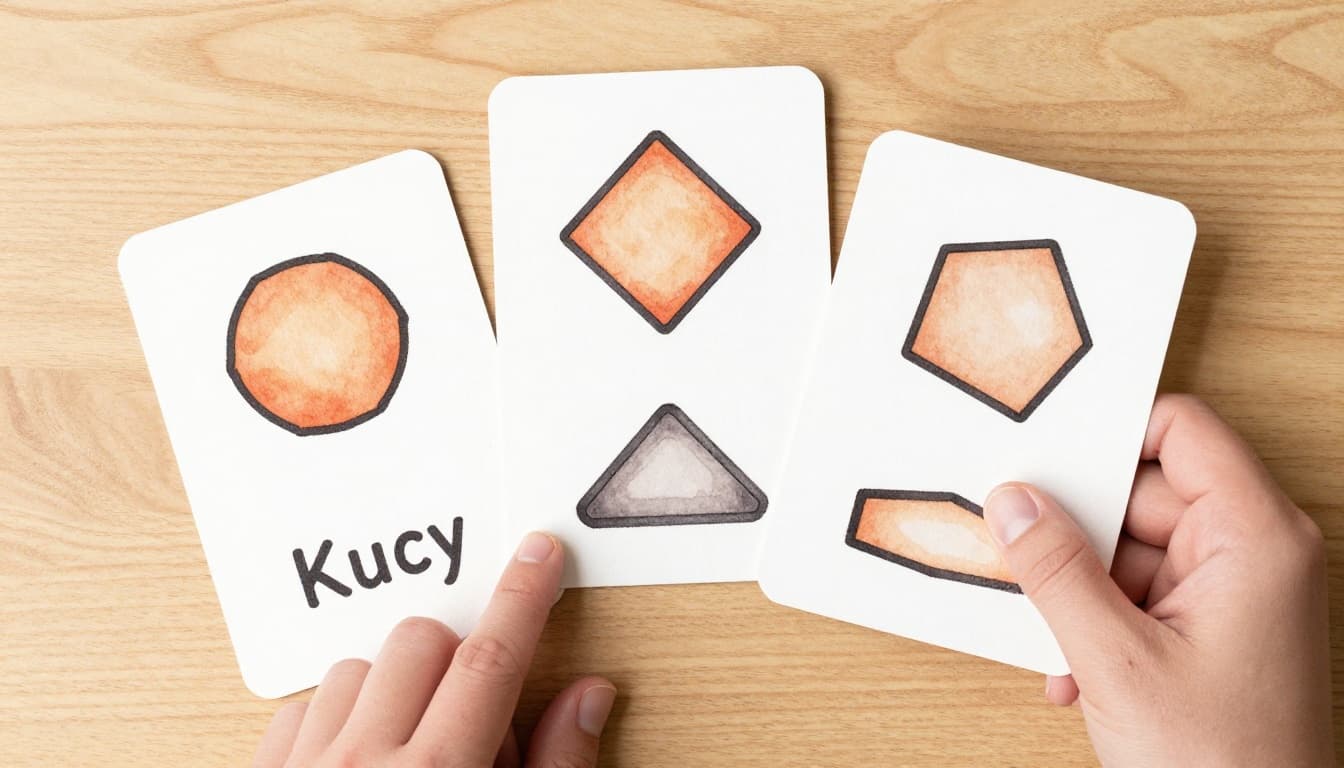
Story method works too. Imagine a stop sign octagon as your house. Visitors yell “stop” at the door.
Practice daily. Drive and quiz yourself. Apps with AR let you spot virtual signs in 2026. For more ideas, try mnemonic devices for road tests.
These build safe habits for life. Test yourself often.
Shapes, colors, and mnemonics turn traffic signs into easy reads. You avoid tickets and crashes by reacting fast.
Quiz yourself on a drive today. Share your best mnemonic in comments. Teach family too. Drive safer now.
Master these, and roads feel friendlier.