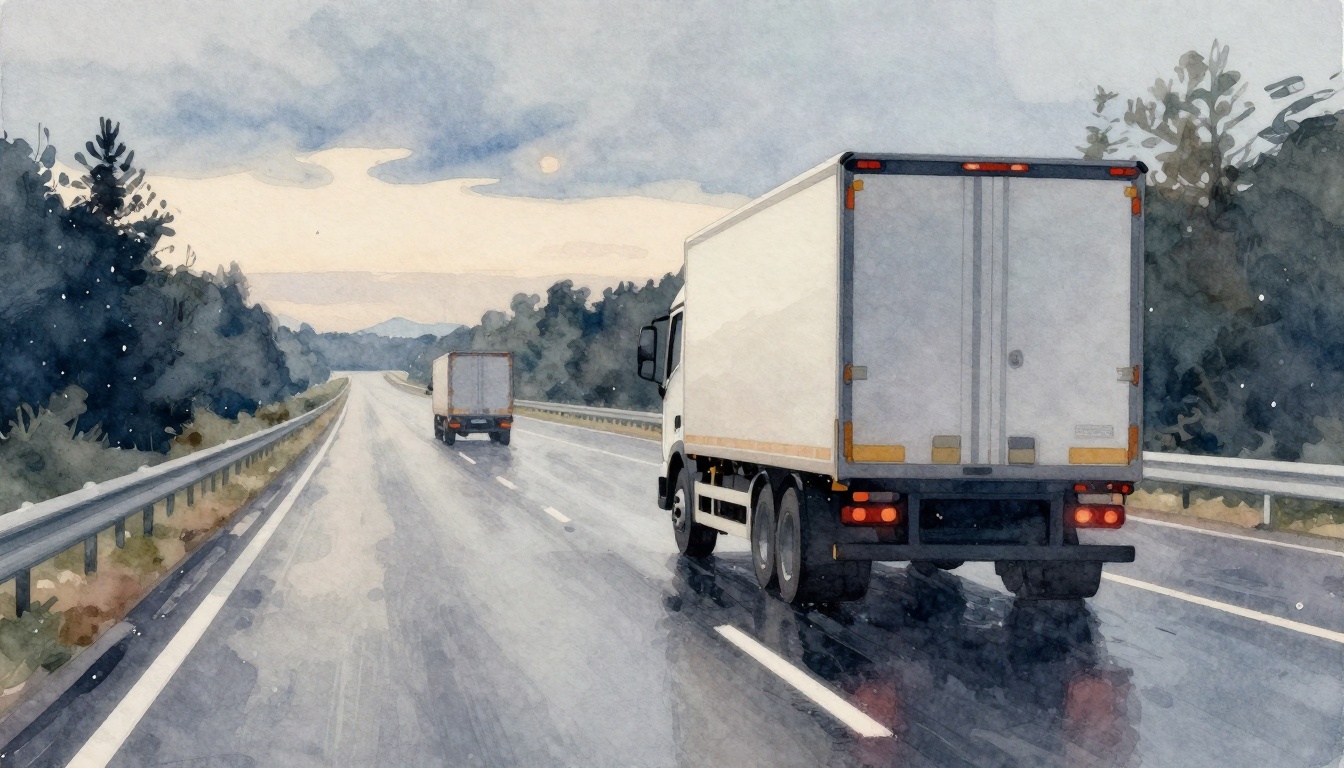
Picture this. You’re cruising down a wet highway when a truck swerves into your lane. Your heart races, but you spot it early, ease off the gas, and glide past safely. That close call ends well because you stayed in control.
Loss of vehicle control causes many crashes. Speeding ties to about one-third of fatal wrecks, per recent NHTSA data up to early 2026. Drunk driving hits the same mark, while distractions spark 8% of them. These numbers drop with smart habits, though. This guide covers defensive moves, trap dodges, skid fixes, upkeep checks, and fresh tech. You’ll pick up tips to stay steady from city blocks to open roads.
Build Rock-Solid Defensive Driving Habits
Good drivers think ahead. They spot risks before they hit. These habits keep you in charge, no matter the traffic.
Start with scanning. Look 10 to 15 seconds forward, about a quarter mile on highways. Watch for brake lights, debris, or animals darting out. For example, early spotting of a slowing semi lets you change lanes smooth. This simple scan cuts surprise crashes.
Scan Far Ahead to Spot Trouble Early
Eyes up high make all the difference. Fix on the road’s end, not your bumper. Check mirrors every five to eight seconds too.
Spot slow traffic merging or potholes ahead. Deer often bolt at dawn or dusk, so slow down in wooded spots. Practice this, and you’ll react calm.
Use the 3-Second Rule for Safe Following Distance
Pick a fixed point like a sign. Count “one-thousand-one, one-thousand-two, one-thousand-three” after the car ahead passes it. Your front bumper should hit that mark then.
Rain adds two seconds; night needs four. When stopped, you should see the tires of the car in front touch pavement. This space gives you room to stop if they slam brakes.
Stay Distraction-Free for Laser Focus
Phones cause one in five crashes. Set yours to do-not-disturb before shifting gears. No texting, no scrolling maps.
Eating counts too. Pull over for snacks. Quick glances at kids or radios work, but hands stay at 10 and 2. Focus sharp, and control stays yours.
Defensive tricks like these slash crash odds by 30 to 50 percent. Groups like Zero Deaths Maryland outline nine key tips that match these steps. Build them in, and roads feel safer.
Dodge the Common Traps That Steal Your Control
Every driver faces pitfalls. Speeding, tailgating, weather woes, and impairment top the list. Know them, and you avoid most.
Speed kills reaction time. At 70 mph, you cover twice the distance to stop versus 55 mph. Tailgaters leave no buffer for errors.
Why Speeding and Tailgating Kill Reaction Time
Extra speed shortens your stop zone. Flow with traffic instead. Stick to the right lane if you go slower.
Tailgating blocks escape if the lead car stops short. Back off. One rainy commute proves it: a sudden jam, and space saves you.
Handle Weather and Road Hazards Without Panic
Rain slicks roads; ice doubles skid risk. Wind pushes tall trucks off line. Drop speed 10 mph below limits, add following space.
Puddles hide hydroplaning traps. Straddle them if you can. Stay smooth, and control holds.
Skip Impairment for Clear-Headed Control
Alcohol dulls reflexes; fatigue mimics drunk driving. Plan rides home, or stop for coffee on long hauls.
Young guys aged 21 to 34 crash most from booze. Eat before drinking, wait two hours per beer. Clear head means full grip.
Spot these traps in your routine. Change one, like easing off speed, and control improves fast.
Master Quick Recovery from Skids and Slides
Skids happen fast. Panic makes them worse. Stay cool, follow steps, and straighten out.
Ease off the gas first. Steer where you want to go. Let tires grip again. Practice in empty lots builds muscle memory.
Straighten Out a Skid Before It Spins
Look at your target path. Turn the wheel gently that way. No jerky moves.
Gas off smooth. As front tires bite, accelerate slight to settle. ABS cars pulse brakes; trust it.
Ride Out Hydroplaning Safely
Water lifts tires off road. Slam no brakes. Coast off accelerator fully.
Hold wheel straight. Grip returns in seconds. Then steer easy. Sites like The Hartford’s hydroplaning guide stress this calm approach.
Stop Fishtailing with Gentle Corrections
Rear slides on turns or quick stops. Steer light into the slide. Front-wheel drive? Ease throttle smooth.
Overcorrect, and you spin. Gentle inputs win. Lives depend on steady hands.
These fixes work because they match physics. Train them, cut panic, keep control.
Keep Your Vehicle Primed with Easy Checks
A solid car supports your skills. Weekly peeks spot issues early. Grip and sight stay sharp.
Tires hold you down. Brakes halt you sure. Lights let others see you.
Tires and Brakes: Your Grip Lifelines
Air up tires monthly to the door sticker. Penny test tread: Lincoln’s head down means replace.
Feel brakes on stops. Soft pedal? Get pads checked. Low gear down hills cools them.
Visibility Wins: Lights, Wipers, and Mirrors
Wipe glass clean inside out. Test headlights, signals, brakes nightly.
Set mirrors outside blind spots. Adjust high for rear view. Good sight boosts control.
Print this list:
- Tires: pressure, tread.
- Brakes: pedal feel.
- Lights: all work.
- Wipers: streak-free.
- Fluids: oil, coolant full.
- Mirrors: blind-spot free.
Do these pre-trip. Checklists from spots like Kwik Kar’s 8-point inspection match right up.
Tap into 2026 Tech for Extra Control Layers
New cars pack helpers. ADAS cuts rear crashes 40 to 50 percent.
Auto braking spots stops ahead. Lane keep nudges you straight. Adaptive cruise holds speed and gap.
Blind-spot alerts beep on drifts. Over 77 percent of 2026 models ace IIHS tests at higher speeds.
Tech shines with habits. Enable it always. NHTSA reports show fewer losses when drivers stay alert as backup. Projections say ADAS avoids millions of crashes by 2050.
Lock in Control for Safer Miles Ahead
Habits spot risks early. Trap dodges keep you steady. Recovery steps save spins. Checks prime your ride. Tech adds layers.
Pick one tip today, like the 3-second rule. Try it on your next drive.
Share your close-call story in comments. Drive alert, stay in control. Roads get safer when we all commit.