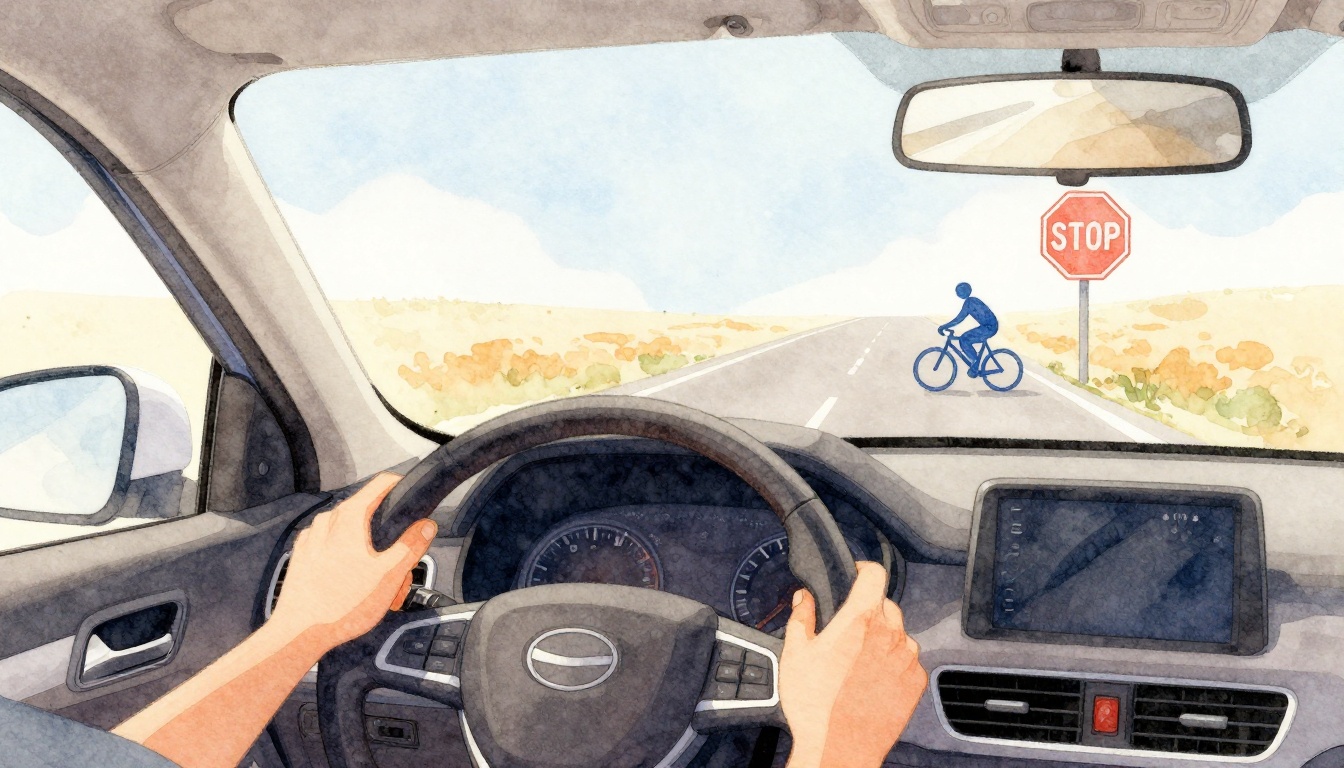
Picture this: you slide behind the wheel for your first real drive. A stop sign sneaks up fast. Do you know what that red octagon means? Or how to handle a sudden cyclist in the rain? Chaos follows without the right knowledge.
Driving theory gives you that foundation. It covers traffic laws, road signs, safe habits, and spotting hazards. You learn these before practical lessons start. Studies show trained drivers make 27% fewer crashes in early months. In the UK, tests hit 14 topics. US states use DMV knowledge exams on signs and laws. This prep cuts errors and builds skills.
You will save lives, yours included. Next, we break down the basics, reasons to study first, test topics for 2026, and prep steps. Stick around to drive smarter.
Breaking Down Driving Theory Basics
Driving theory means the rules and skills for safe roads. It focuses on three main areas. First, sharp vision helps you spot hazards early. Second, a clear mind keeps you alert for quick choices. Third, steady hands give smooth control.
Think of it like this: theory teaches you to read the road like a map. You understand signs before they appear. For example, a yellow diamond warns of curves ahead. You slow down in time. This prevents most accidents.
Theory differs from hands-on practice. It builds the “why” behind moves. Practical lessons show steering and braking. But theory explains laws and risks first.
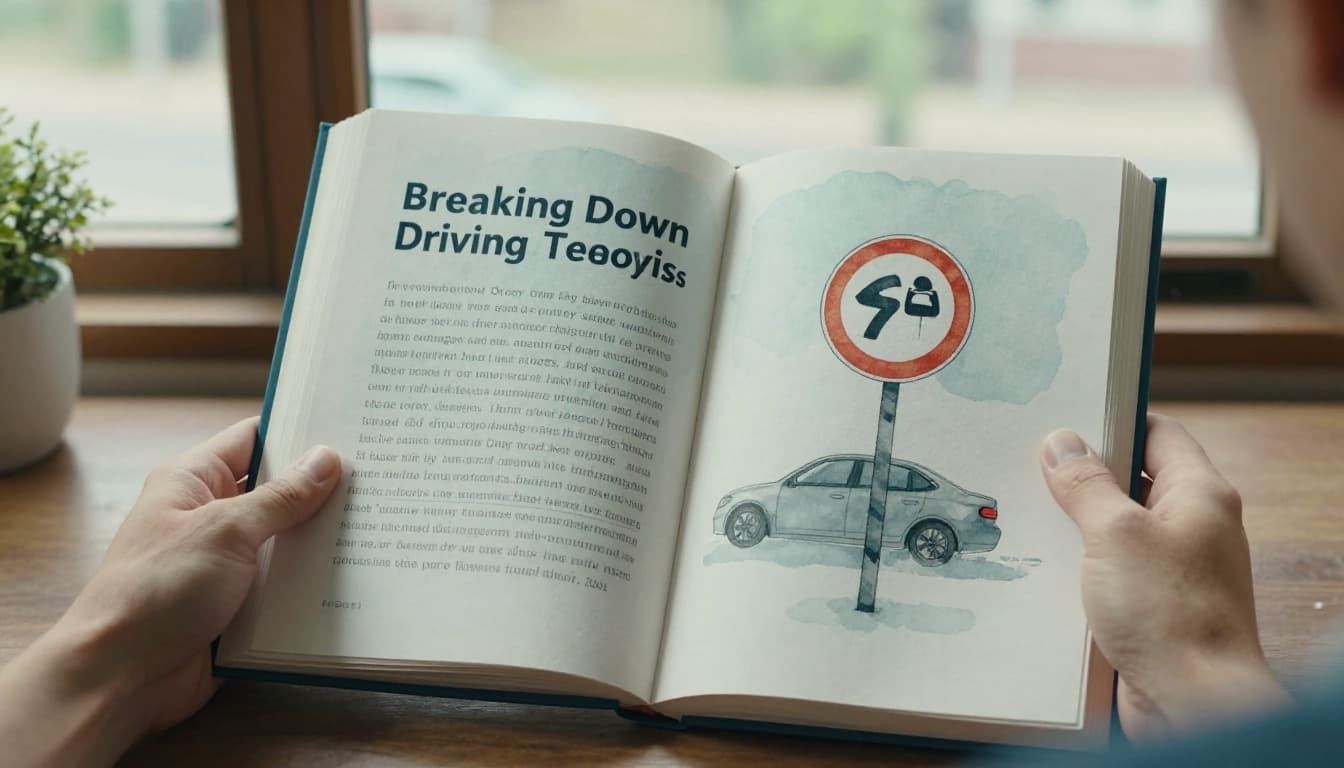
How It Differs from Hands-On Driving Practice
Theory happens in a classroom or app. You study laws, vehicle parts, and dangers. Practical puts you in the car. You turn the wheel and press pedals.
Theory comes first because it sets the base. Short lessons miss full risks. You learn to predict issues like icy patches. That knowledge sticks for life.
Vehicle basics cut repair costs too. Educated drivers save 40% on fixes. They check oil and tires right. In short, theory preps your brain. Practice then trains your body.
Key Reasons to Learn Theory Before Touching the Wheel
Start with laws and signs. Theory shows what yields at junctions. You avoid tickets and crashes. Next, vehicle operation matters. Know brakes and lights cold.
Hazard prediction saves the day. You scan for blind spots early. Mental prep keeps calm under stress. Anxiety drops after study. You focus better.
Safety stats prove it. Drivers passing theory cut crashes by 27% at first. States with strong tests see 34% fewer teen fatalities. Fuel savings hit 12% from smart habits.
Defensive driving shines here. Watch for others’ errors. Adjust for rain or fog. Beginners need this most. One wrong move hurts everyone.
For UK folks, check the official DVSA theory test guide for details. US drivers, state handbooks cover basics.
Spotting Road Hazards Before They Strike
Hazards hide everywhere. Blind spots near parked cars top the list. Keep two-second gaps behind others.
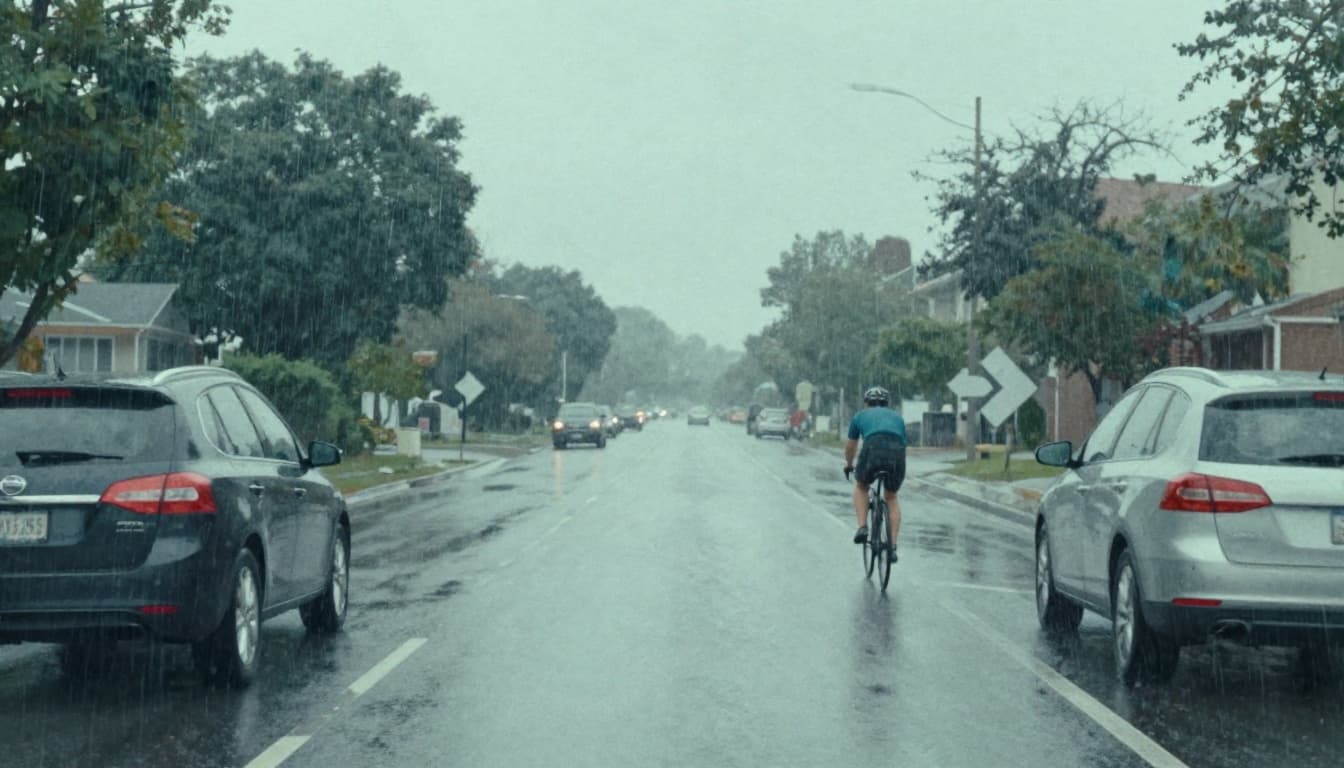
Weather changes fast. Rain doubles stopping distance. Vulnerable users like bikes need space. Theory trains your eyes to predict.
UK tests use video clips for this. Click when danger develops. US DMV asks about following distances. Practice spots issues pros see.
Real life: a cyclist pulls out. You brake smooth because theory taught gaps.
Boosting Your Confidence and Saving Lives
Theory eases nerves. You know answers before lessons start. Lessons flow better.
Safer roads follow. Fewer errors mean less harm. Fines drop too. One study links theory to lasting low crash rates.
You protect others. Pedestrians and kids count on your skills. In addition, communities gain from alert drivers.
What Topics Show Up on 2026 Driving Theory Tests
UK tests cover 14 areas. Alertness leads. Road signs follow. Then vehicle handling, emergencies, and more.
US varies by state. All hit signs, laws, DUI risks. California adds freeway rules. Check your DMV handbook.
Pass needs 43 of 50 multiple-choice. Hazard clips test reactions. Study the UK Highway Code online for rules.
Fresh Updates for Emergency Response Skills
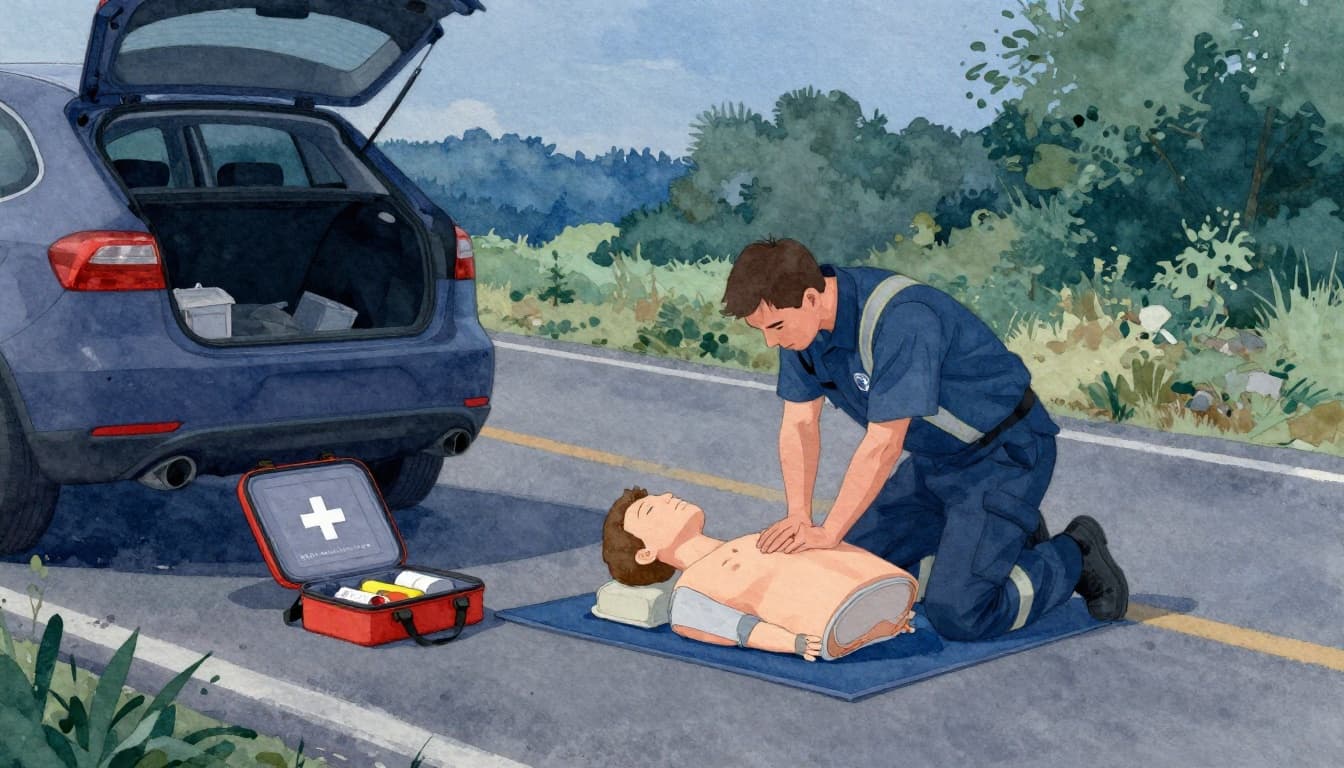
2026 brings CPR and defibrillators to UK tests. Know hand placement and push speed. AEDs restart hearts fast.
These skills matter in crashes. Act before help arrives. Survival jumps.
Practice simple steps. Open the kit. Follow voice prompts.
Easy Steps to Nail Your Theory Test First Time
Build a plan first. Use DVSA books or apps daily. Set 30 minutes.
Practice mocks often. Aim for 43 correct. Watch hazard videos till clicks feel natural.
Review weak spots. Flag tough questions. Understand, don’t memorize.
UK fee sits at £23. Book early. US practice sites help too, like California DMV test prep.
Top Mistakes Newbies Make and How to Skip Them
Cramming fails. Study steady instead.
Skip mocks? Big error. Do dozens first.
Guess blindly. Read all options. Review the Highway Code.
Late hazard clicks hurt scores. Practice timing. High passes await smart prep.
Ready to Drive Safer? Start Your Theory Prep Today
Driving theory equips you with laws, signs, and hazard smarts. It cuts crashes by 27% and builds real confidence. 2026 tests add life-saving CPR skills.
Grab the Highway Code. Run mocks till easy. Book that test now.
Confident drivers own the road. You can too. What holds you back?