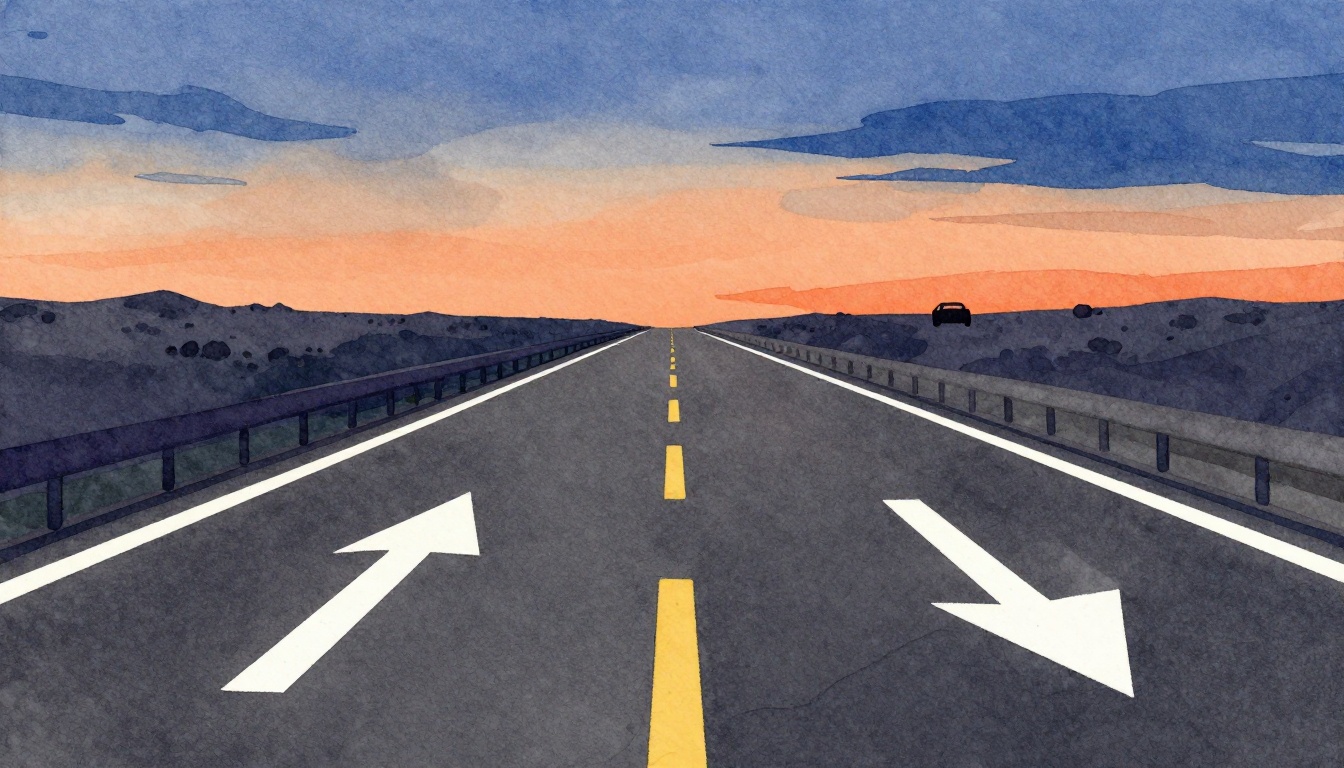
Picture this. You’re cruising down a busy highway at dusk. A quick glance shows a solid white line next to your lane. You swerve over anyway to dodge potholes. Horns blare as cars merge. You nearly clip a truck. That close call? It happened because you ignored the road markings.
These painted lines, arrows, and symbols act like silent traffic cops. They guide you, warn you, and keep everyone safe. In the US, the Manual on Uniform Traffic Control Devices (MUTCD) sets the standards. All states follow it.
We’ll cover white lines for lane changes, yellow lines for passing, arrows and symbols for turns, plus 2026 updates. You’ll learn what each means so you drive smarter and avoid tickets or crashes.
Break Down White Lines to Change Lanes Confidently
White lines separate traffic moving the same way. They show where you can switch lanes or when to stay put. Drivers often mix them up, leading to sideswipes on highways.
Know these, and you change lanes without stress. First, check your mirrors and blind spots. Signal early. Then glance at the line.
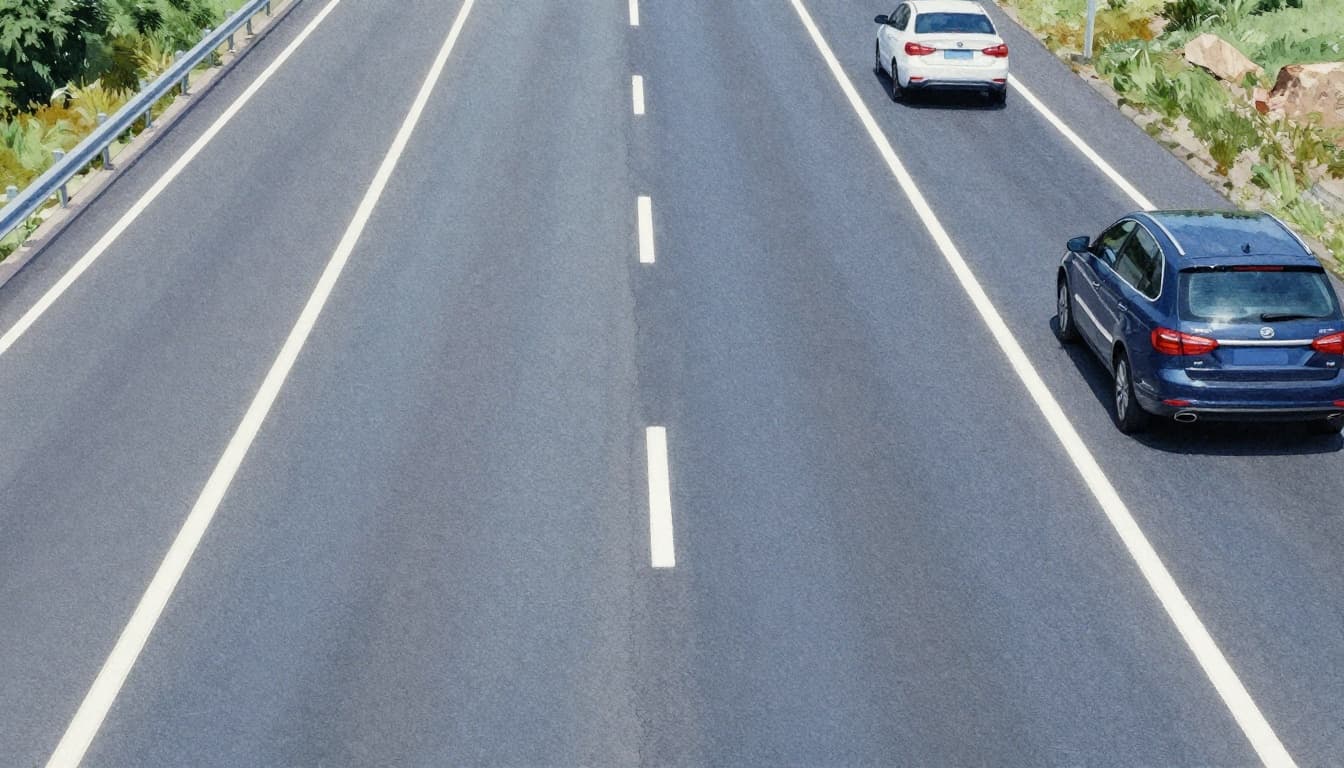
Solid white lines hug lane edges or mark spots where crossing hurts safety. You see them on bridges or curves. They tell you to stay in your lane.
Solid White Lines: When to Stay Put
A solid white line means do not cross unless you must. Think emergencies like debris ahead. Otherwise, it signals danger.
On city streets, they guide you along shoulders. At night, they reflect light so you spot them. However, faded ones trick eyes. Slow down if unsure.
For example, on a winding road, a solid white keeps you from drifting. Cross it, and you risk gravel shoulders. Stay put. Check the MUTCD Part 3 guidelines for exact rules.
Dashed White Lines: Your Green Light for Safe Switches
Dashed white lines give you room to maneuver. Gaps let you pass slow vehicles or merge. Space them wide on open highways.
You can cross if traffic clears. On freeways, they mark spots for easy lane changes. Always yield though.
In addition, wider dashes mean longer safe zones. Picture merging onto I-95. Dash lines invite you in politely.
Double White Lines: Hands Off These Barriers
Double solid white lines scream no crossing. They protect tricky areas like hills or ramps. Two solids side by side block your path.
Double dashed ones appear at merges. Yield to traffic there first. Never treat them casual.
Busy interstates use these often. Ignore them, and you invite head-ons. Safety first.
Master Yellow Lines for Smart Passing Moves
Yellow lines split roads with oncoming traffic. They prevent deadly head-on crashes. Pass only where allowed, or pay with tickets.
These lines vary by risk level. Highways love them for two-way sections. Patience saves lives here.
Recent stats show traffic deaths dropping yearly. Yet unclear lines still cause wrong-way wrecks. Spot the difference below.
Single Solid Yellow: Stay on Your Side
A single solid yellow line divides lanes firmly. No passing either side. Oncoming cars hide dangers.
You see it on hills or curves. Wait for dashed spots. Patience beats a crash.
For instance, rural roads use this a lot. Drivers who cross face high risks. High crash zones mark these lines.
Dashed Yellow: Pass with Caution
Dashed yellow lines on your side mean pass if safe. Clear view ahead matters most. No hills block sight.
Match speeds. No trucks nearby. Then go.
Conditions include straight stretches and good weather. After that, return quick. Check road markings meanings for visuals.
Double Solid Yellow: Absolute No-Pass Zone
Double solid yellow lines ban passing both ways. They guard blind spots like bridges.
States paint them bright now. You spot them on interstates. Strict rule keeps speeds steady.
Break it, and fines follow. Cops watch these spots.
Spot Arrows Symbols and Words for Right Turns Every Time
Arrows point your path at turns. Symbols warn of bikes or buses. Words like “SCHOOL” demand care.
Zebra stripes mark crosswalks. Stop there always. No parking either.
Visual cues save seconds. Imagine a rainy intersection. Arrows guide you right.
Turn Arrows: Lock In Your Lane’s Path
Turn arrows force your move. Straight arrow? Go forward only. Right arrow blocks left turns.
They pair with lights often. Ignore one, and you block traffic. Fines add up quick.
Left-turn arrows appear at medians. Follow strictly.
Warning Words and Icons: School and Stop Alerts
“SCHOOL” on pavement means kids nearby. Slow to 20 mph. Watch for buses.
Bike symbols mark lanes. Do not enter. Yield to riders.
Stop ahead words preview signs. Brake early. See MUTCD arrow details for standards.
Crosswalks with thick stripes demand stops. Pedestrians count on you.
Catch 2026 Road Marking Changes Before They Trip You Up
Roads evolve fast. The MUTCD 11th Edition rolled out by January 2026. States adopt brighter, wider lines now.
High-visibility crosswalks lead changes. They hit 6 to 8 feet wide based on speeds. Uncontrolled spots get them standard.
Retroreflectivity boosts night views. Special lanes use new colors too.
Purple marks toll lanes for electronic tags only. Spot them on highways. Confusion reports rise early 2026. Drivers mix them with regulars.
Brighter whites and yellows help self-driving cars read better. Scan ahead always.
Learn more in the 11th Edition overview. Future roads stay uniform.
Key Takeaways for Safer Drives
Road markings guide lanes with white lines, passing with yellows, turns with arrows, and specials with symbols. New 2026 tweaks like purple tolls and brighter paints demand fresh eyes.
Next drive, test your knowledge. Spot a double solid? Stay put. Quiz yourself at stops.
Share tricky markings you see in comments. Fewer mix-ups mean fewer crashes. Check your state’s DMV site for locals.
Drive alert. Arrive safe.